Last Updated on August 21, 2025 by Hemanth
Table of Contents
An element you’ve likely never heard of powers every video call, email, and web search you make. Erbium—a pinkish-silver metal ranked just 45th in Earth’s crustal abundance—quietly enables the global internet infrastructure that connects our world.
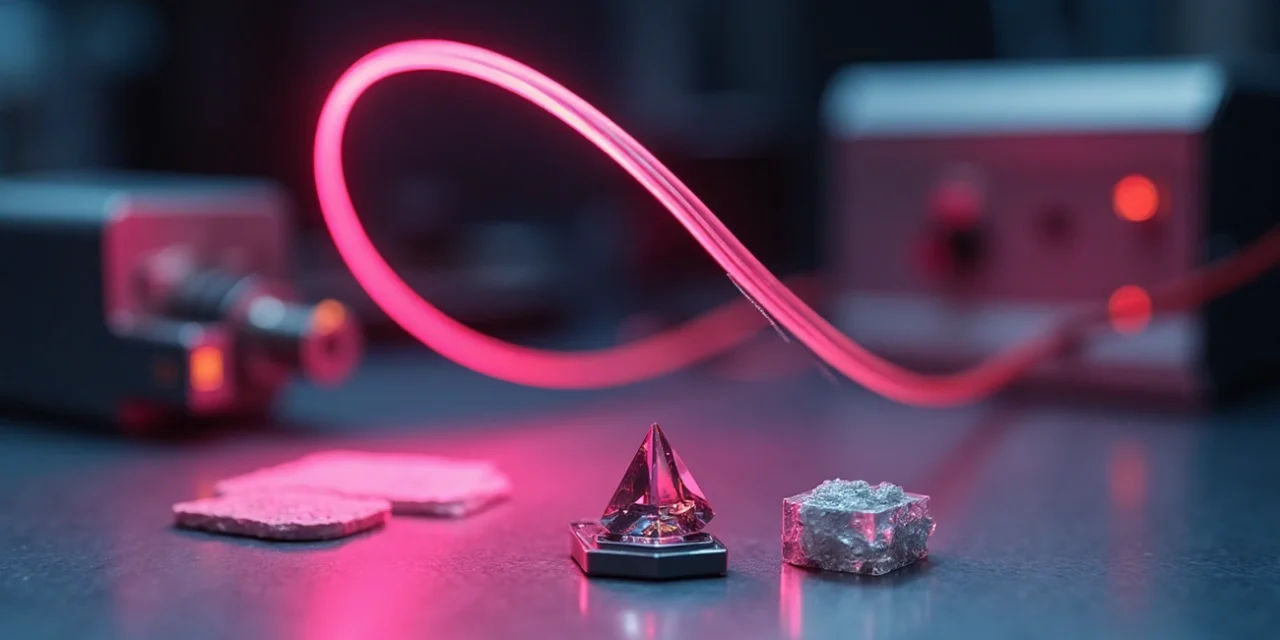
The distinctive pink Er³⁺ ions that give erbium its characteristic appearance serve as the backbone of modern telecommunications. When integrated into glass fibres, erbium creates optical amplifiers operating at precisely 1530 nm wavelength—the exact frequency where standard optical fibres experience minimal signal loss.
This remarkable alignment isn’t coincidence but engineering precision hidden in plain sight. Without erbium-doped fibre amplifiers (EDFAs), broadband internet signals carried through undersea cables would simply fade into nothing before reaching their destinations.
Erbium’s reach extends far beyond keeping your internet connection alive. Its oxide form creates infrared-absorbing properties essential for protective eyewear worn by welders and metalworkers, while erbium-powered lasers have become indispensable tools in medical procedures spanning dermatology to dental surgery.
China’s dominance in rare earth production puts this strategically important metal at the centre of geopolitical considerations, given its critical role in quantum computing research and nuclear reactor technology.
From the fibre optic cables beneath ocean floors to precision surgical instruments in operating theatres, erbium’s unique properties make it an unsung hero of modern technology. This guide explores the surprising industrial applications of a seemingly obscure element that shapes far more of our technological landscape than most people ever realise.
What Makes Erbium Indispensable: Properties That Enable Modern Technology
To understand why erbium appears in everything from fibre optic cables to surgical lasers, we must examine the atomic-level properties that make this rare earth element irreplaceable in high-performance applications. Erbium’s unique characteristics at the molecular level translate directly into its macroscopic usefulness across telecommunications, medicine, and advanced manufacturing.
Electronic Configuration: The Source of Erbium’s Optical Magic
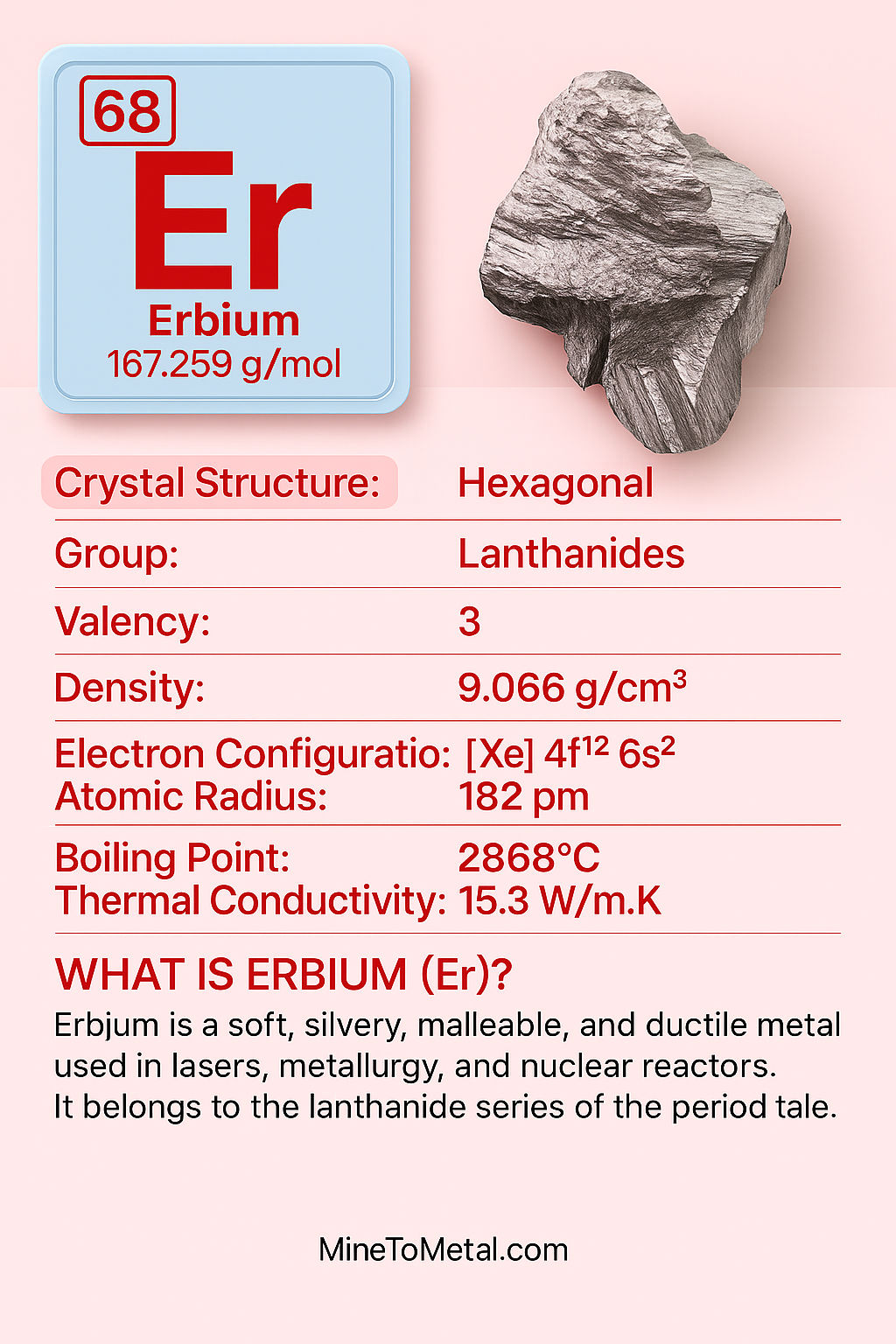
Erbium possesses the electron configuration [Xe].4f12.6s2 with a ground state term symbol of 3H6. Those partially filled 4f orbitals create the distinctive pink coloration in Er³⁺ compounds and enable the precise optical properties that make telecommunications possible. With 68 electrons arranged in shells (2.8.18.30.8.2), erbium exhibits a first ionisation energy of 589.3 kJ/mol, making it moderately electropositive.
When forming compounds, erbium typically adopts the +3 oxidation state, creating the [Xe].4f11 configuration responsible for its characteristic optical transitions. This electronic structure allows erbium to absorb and emit light at specific wavelengths—particularly the 1530 nm range crucial for fibre optic communications.
Thermal Properties: Dimensional Stability Under Extreme Conditions
Erbium’s thermal conductivity of 14.5-15 W/m·K ranks relatively high among lanthanides, enabling effective heat dissipation in electronic applications. Combined with its thermal expansion coefficient of 0.0000122 /K, this creates materials that maintain dimensional stability across temperature ranges.
Most remarkably, erbium exhibits a negative coefficient of thermal expansion (NCTE), actually shrinking at higher temperatures. This counterintuitive behaviour proves invaluable in aerospace applications where components must maintain precise dimensions despite extreme temperature fluctuations. Its thermal conductivity stems primarily from electronic contribution, making it particularly effective in applications requiring rapid heat transfer.
Chemical Reactivity: Controlled Stability for Practical Applications
Erbium demonstrates moderate reactivity that balances stability with chemical versatility. It reacts slowly with cold water but more rapidly with hot water to form erbium hydroxide: 2Er(s) + 6H2O(l) → 2Er(OH)3(aq) + 3H2(g).
When exposed to air, erbium forms a protective oxide layer: 4Er + 3O2 → 2Er2O3, which prevents further oxidation. This self-protecting characteristic makes erbium suitable for long-term applications requiring moderate chemical stability without excessive reactivity.
Physical Characteristics: Durability Meets Workability
Erbium appears as a soft, malleable, silvery-white metal with bright lustre. Unlike many lanthanides, it tarnishes slowly in air, providing better long-term stability for applications where surface appearance matters. This tarnish resistance makes erbium components more practical for extended use in demanding environments.
Comparative Advantages Among Rare Earth Elements
Erbium’s density of 9.066 g/cm³ exceeds lanthanum’s 6.146 g/cm³, while its melting point of 1529°C surpasses lanthanum’s 1193K, offering superior thermal stability. The Er³⁺ ionic radius (~89 pm) closely matches Ho³⁺ (~90 pm) and Tm³⁺ (~88 pm), making separation challenging during processing but enabling similar chemical behaviours in compound formation.
> Fun Fact: Erbium can form propeller-shaped atomic clusters where atoms are spaced just 0.35 nm apart!
Key Takeaway: Erbium’s balanced combination of optical activity, thermal stability, and controlled reactivity creates a unique materials palette that enables precision applications from telecommunications infrastructure to surgical instruments.
Uses of Erbium Telecommunications & Photonics
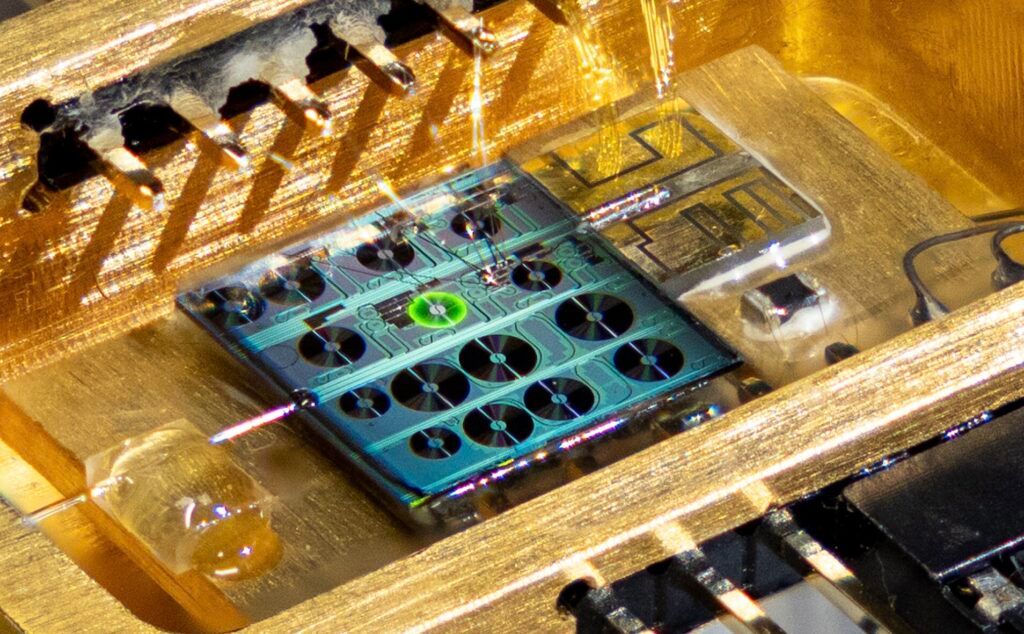
Every time you stream a video, send a message, or browse the web, your data travels through undersea cables spanning thousands of kilometres. That global internet infrastructure depends entirely on a single rare earth element amplifying weak signals before they fade into nothing.
Erbium-Doped Fibre Amplifiers (EDFAs)
Dr. David Payne’s invention of EDFAs at the University of Southampton in the mid-1980s fundamentally changed how information moves across the planet. These devices amplify weak optical signals without converting them to electrical signals, preserving data integrity across vast distances through a remarkably simple principle.
The erbium-doped fibre—silica glass infused with Er³⁺ ions—forms the core of these amplifiers, delivering gains up to 30 dB specifically within the 1550 nm wavelength range where optical fibres experience minimal loss. Pump lasers operating at 980 nm or 1480 nm wavelengths excite erbium ions, which then amplify passing signals through stimulated emission.
Before EDFAs, long-distance optical networks required complex signal regeneration equipment every few dozen kilometres. A single EDFA eliminated this cumbersome conversion process entirely, enabling today’s seamless global connectivity.
Fibre Lasers & Waveguide Amplifiers
Erbium-doped fibre lasers (EDFLs) now serve as essential sources of highly coherent light, while erbium-ytterbium-doped waveguide amplifiers provide substantial gain at telecom wavelengths with minimal noise and nonlinearity. These systems achieve net gains of approximately 2 dB at 1.54 μm wavelength, making them indispensable for both telecommunications and integrated optics applications.
Photonic Integrated Circuits
Recent breakthroughs have produced Si₃N₄ photonic integrated circuits with erbium that achieve greater than 100 mW output power and exceed 30 dB gain—matching commercial fibre amplifiers. These advances enable the miniaturisation of high-performance fibre-based lasers onto chip-scale platforms.
One demonstration achieved 145 mW on-chip output power with nearly 60% power conversion efficiency, creating new possibilities for compact telecommunications equipment that consumes less energy while delivering superior performance.
Quantum and Secure Optical Communication Networks
Erbium’s properties extend beyond conventional telecommunications into quantum communications. Erbium-doped materials function as spin-photon interfaces with optical transitions in the telecom band, creating pathways for long-distance quantum networks that could enable unbreakable encryption systems. Similar to praseodymium’s role in high-coercivity magnets, erbium extends rare earth utility into secure communications.
Recent experiments demonstrate microwave-to-optical transduction using erbium ion ensembles coupled to superconducting microwave resonators, establishing crucial links between quantum processors and optical networks that operate at room temperature.
Key Takeaway: Erbium’s ability to amplify light at precisely the right wavelength has enabled the global internet infrastructure we depend on daily—proving how a single element’s atomic properties can reshape entire industries.
Erbium in Medical Applications
Erbium’s precision at the cellular level translates into treatments that heal faster, hurt less, and deliver superior results across medical specialties. This rare earth element has quietly become essential to modern healthcare through its unique interaction with biological tissues.
Skin Resurfacing and Dermatological Treatments
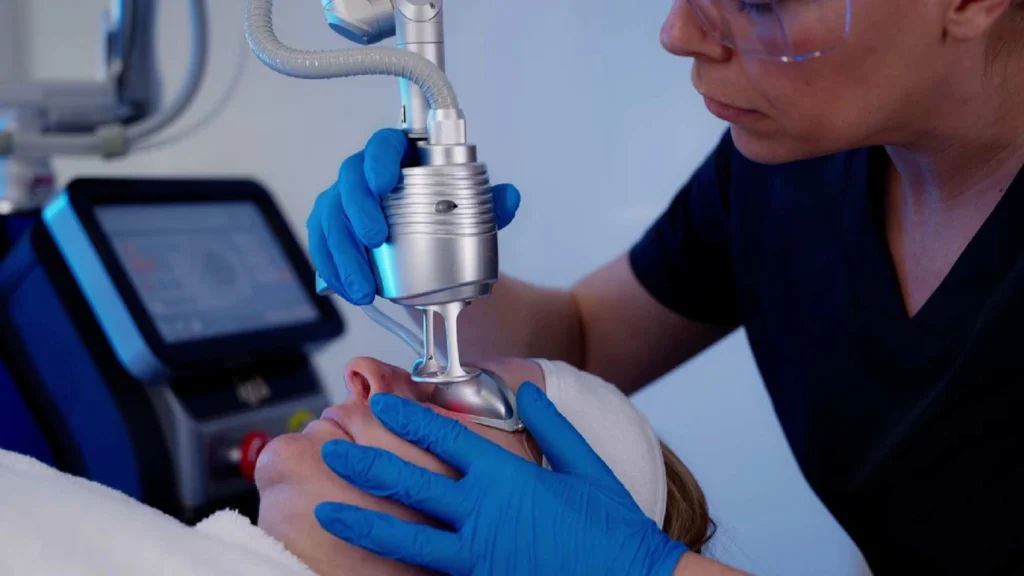
The Er:YAG laser operates at 2940 nm wavelength—at the peak of water absorption in biological tissue. This precise targeting removes facial wrinkles and damaged skin layers while generating minimal thermal damage to surrounding areas. Patients experience recovery times as short as one week compared to significantly longer healing periods with CO2 lasers. Clinical studies demonstrate visible improvements in facial rhytids within 3-8 weeks, accompanied by measurable increases in dermal collagen production.
Precision Dentistry Without the Drill
Dental applications showcase erbium’s versatility in targeting both soft tissue water content and hard tissue hydroxyapatite. FDA-approved for comprehensive oral procedures, these lasers create minimal thermal elevation in surface tissues, enabling comfortable treatments without traditional anaesthesia. Patient comfort improves dramatically—erbium lasers reduce the requirement for local anaesthesia by 72% compared to conventional drilling methods.
Advanced Eye Surgery Techniques
Vitreoretinal surgeons rely on erbium-YAG lasers for cutting vitreous membranes with exceptional precision and minimal mechanical traction. Clinical trials involving 68 eyes showed excellent or good surgical outcomes in 84% of procedures. The laser’s ability to enable rapid vitrectomy while reducing tissue trauma represents a significant advancement in ophthalmic surgery.
Cosmetic Procedures and Tattoo Removal
Tattoo removal combines Er:YAG technology with picosecond lasers to achieve superior results by reducing skin surface reflection during treatment. Patients experience reduced post-procedure inflammation compared to CO2 laser alternatives, requiring less anaesthetic intervention during sessions.
Cancer Treatment Through Targeted Heating
Erbium-substituted magnetite nanoparticles demonstrate remarkable properties for hyperthermia cancer therapy. These nanoparticles respond to alternating magnetic fields by generating localised heat that selectively destroys cancerous cells while preserving healthy tissue. Additionally, Er₂O₃ nanoparticles trigger cancer cell death in hepatic tumours through enhanced reactive oxygen species generation.
Emerging Therapeutic Applications
Research teams are exploring photodynamic therapy using Prussian Blue Erbium-Doped Hydroxyapatite nanoparticles. Under 808 nm laser irradiation, these particles induce cancer cell death through dual mechanisms: controlled hyperthermia and reactive oxygen species production.
The healing response to erbium treatments occurs faster than with other laser types. Tattoo removal procedures using erbium technology recruit macrophages at peak efficiency within 1-3 days post-treatment.
Key Takeaway: Erbium enables medical procedures that combine precision targeting with reduced patient discomfort and accelerated healing—demonstrating how this rare earth element directly improves healthcare outcomes across multiple specialties.
Electronics, Displays & Optoelectronics
Beyond the telecommunications backbone, erbium quietly shapes the visual technologies that define modern consumer experiences—from smartphone screens to immersive virtual reality systems.
Display Enhancement and Colour Performance
Erbium-doped materials enhance colour output and energy efficiency in LCD and LED displays, creating more vibrant visuals in devices ranging from tablets to television screens. Rare earth elements like erbium have become nearly impossible to avoid in modern technology, embedded within the phosphor layers that convert electrical energy into the precise wavelengths of light our eyes perceive. For the red channel in modern displays, europium’s red phosphors pair naturally with erbium’s green emissions, enabling precise color tuning across devices.
These applications leverage erbium’s unique optical transitions, particularly its ability to emit light at specific frequencies that complement standard display technologies. The same Er³⁺ ions that power telecommunications also contribute to the crisp, energy-efficient displays that have enabled the smartphone revolution.
Next-Generation Near-Eye Displays
Erbium-doped glasses prove valuable across various optical applications, including advanced display technologies. For AR/VR applications, erbium contributes to next-generation near-eye displays (NEDs) that demand exceptional performance for truly immersive experiences. These eyeglass-type wearable displays require materials offering wide field of view, large eyebox, and high resolution—specifications that erbium-enhanced optics help achieve.
The precision required for AR/VR systems mirrors the exacting standards of telecommunications, where erbium’s consistent optical properties enable reliable performance across varying environmental conditions.
Precision Optical Control Systems
Researchers have developed enhanced thermally tunable filters using erbium-doped fibre lasers that achieve approximately 19 nm wavelength adjustment with just a 2.7°C temperature change. This remarkable sensitivity enables precise wavelength control in applications ranging from medical diagnostics to industrial sensing.
Erbium-doped tunable fibre lasers based on Vernier effect filters offer even finer control, allowing engineers to select specific wavelengths with unprecedented accuracy for specialized optical systems.
Miniaturised Photonic Integration
Scientists at EPFL successfully miniaturised erbium-based fibre lasers onto silicon-nitride photonic chips. These chip-scale erbium lasers deliver output power exceeding 10 mW, enabling applications across telecommunications, medical diagnostics, and consumer electronics whilst dramatically reducing size and power consumption.
This miniaturisation represents a significant step toward integrating high-performance optical components directly into consumer devices, potentially enabling new classes of portable medical diagnostic tools and enhanced smartphone cameras.
Key Takeaway: Erbium’s optical precision extends from global internet infrastructure into the displays and optical systems that shape daily digital experiences, proving this rare earth element’s versatility across multiple technological domains.
Nuclear Reactors: Erbium’s Critical Safety Role
Nuclear engineers face a fundamental challenge: controlling neutron flux safely while maximising fuel efficiency. Erbium offers a unique solution through its resonant neutron absorption characteristics that outperform conventional alternatives in several key areas.
Neutron Control Rods and Burnable Poisons
Nuclear engineers increasingly recognise erbium as an effective neutron absorber for control rods. Unlike common alternatives, erbium functions as a resonant absorber, exhibiting distinct peaks in its absorption cross-section plotted against incident neutron energy. This resonant absorption ability allows erbium to mimic the negative fuel temperature feedback mechanism of uranium-238, offering a critical safety advantage.
Natural erbium consists of six isotopes (162, 164, 166, 167, 168, and 170), with Er-167 possessing the highest thermal cross-section at 700 barns. This property makes erbium characteristically slow to deplete in reactors, yet creates a residual absorption penalty at cycle end.
Studies show erbium-doped fuel can improve reactor safety parameters while enabling higher enrichment levels—beyond the traditional 5% barrier. This capability becomes strategically important as nations seek to extend fuel cycles and reduce waste generation.
Reactor Fuel Additives for Efficiency and Safety
Typically deployed as erbia/urania (Er₂O₃/UO₂) fuel pellets, erbium offers several advantages over gadolinium, the traditional burnable poison. Although gadolinium has a higher thermal absorption cross-section (49,000 barns vs. erbium’s 162 barns), erbium provides a superior resonance integral (740 barns vs. gadolinium’s 390 barns), making it exceptionally effective at controlling transients and minimising power peaking. Together with gadolinium in reactor design, erbium exemplifies how rare earths tailor neutron absorption for safety.
| Property | Erbium | Gadolinium |
|---|---|---|
| Thermal absorption cross-section | 162±8 barns | 49,000±1000 barns |
| Resonance integral | 740±10 barns | 390±10 barns |
| Depletion rate | Slower | Faster |
| Power peaking control | Better | Good |
| Residual penalty | Higher | Lower |
Economic assessments demonstrate that using uranium-erbium fuel in RBMK-1000 reactors allowed a 40% increase in fuel burnup and total savings exceeding €350 million over ten years.
The superior resonance integral means erbium maintains effectiveness across a broader range of neutron energies, providing more consistent control throughout fuel cycles. This characteristic proves particularly valuable in power reactors where fuel composition changes continuously as fissile material depletes.
Key Takeaway: Erbium’s distinctive neutron absorption properties enable nuclear engineers to achieve better reactor safety, extended fuel life, and higher enrichment levels—proving this rare earth element plays a vital role in clean energy generation that extends far beyond telecommunications.
Materials Science, Metallurgy & Advanced Alloys
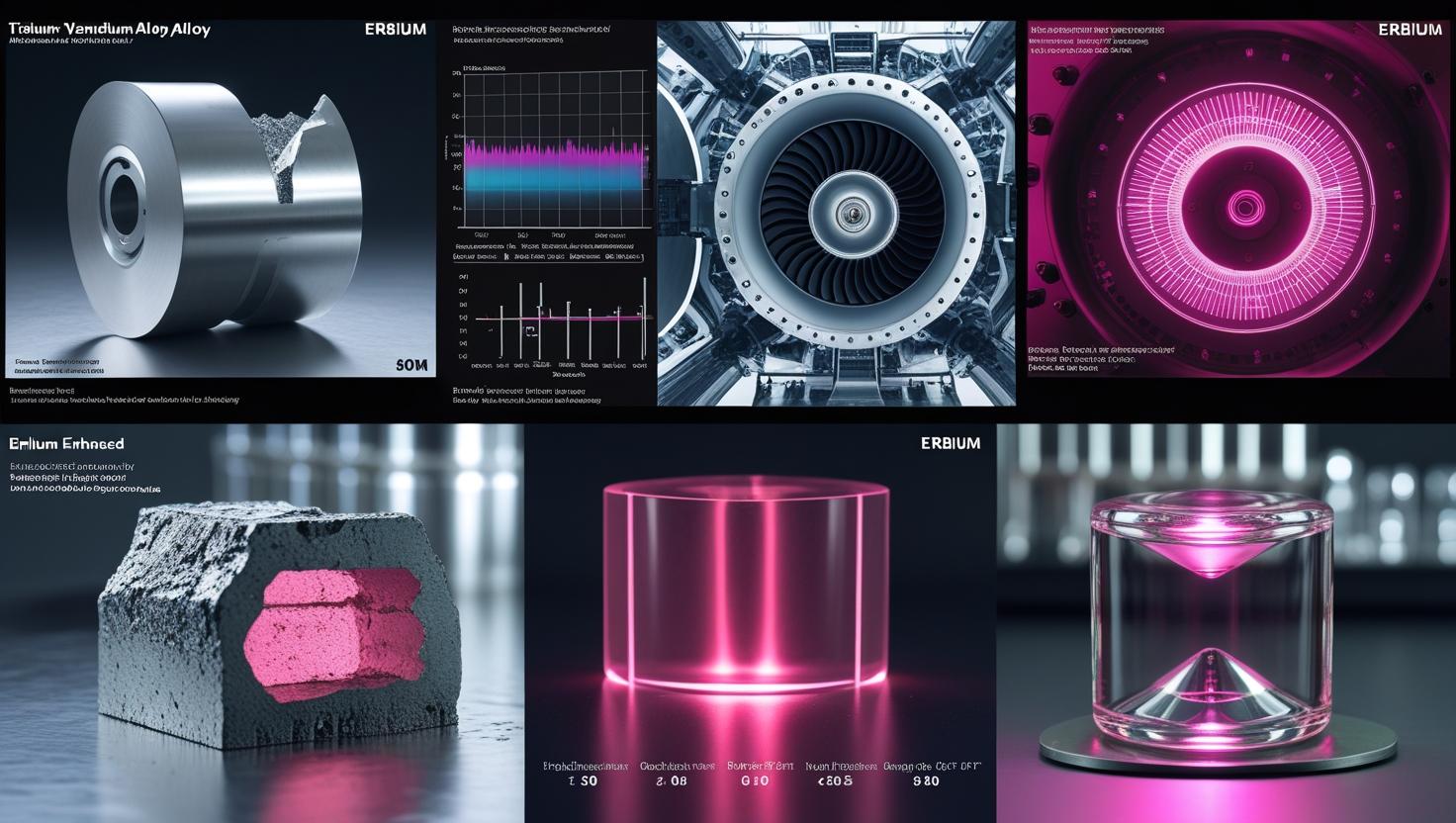
The metallurgical applications of erbium reveal its remarkable ability to transform common metals into high-performance materials through subtle but powerful interactions at the atomic level.
Alloying for Toughness and Machinability (Titanium, Vanadium)
When added to metals like titanium or vanadium, erbium substantially improves their workability by reducing hardness. Studies on aluminium alloys demonstrate that erbium additions refine grain structure—just 0.4 wt.% Er increases tensile strength by 20% with minimal ductility loss. In Al-Mg-Mn-Zr alloys, erbium forms Al3Er precipitates that elevate recrystallisation temperature by approximately 25°C.
Superalloys for Aerospace, Defence, Automotive
Superalloys containing rare earth elements, including erbium, are engineered to operate at the highest fraction of their melting point while maintaining mechanical integrity under extreme stresses. In jet engines, gas turbines, and defence propulsion systems, erbium additions help refine grain boundaries, stabilise microstructures at high temperatures, and improve creep resistance.
This allows components such as turbine blades and combustor liners to withstand continuous service above 1,000 °C, extending operational life and reducing maintenance cycles in both military and commercial aviation.
Erbium-Based Ceramics
La:Er₂O₃ ceramics combine transparency with outstanding mechanical performance, exhibiting a microhardness of 8.6 GPa, an elastic modulus of 190 GPa, and crack resistance of 0.98 MPa·m⁰·⁵. These properties make them ideal for high‑precision laser optics, infrared imaging systems, and high‑temperature structural components. Their ability to maintain optical clarity while resisting thermal shock and mechanical wear is particularly valuable in aerospace sensor windows, industrial laser housings, and fusion‑reactor diagnostics.
High-Performance Magnets (Er-Ni, Er-Co)
Erbium-based magnets, such as Er–Ni and Er–Co, maintain magnetic stability from 20 °C to 150 °C, outperforming NdFeB in thermal cycling. Their high magnetocrystalline anisotropy resists demagnetisation, making them ideal for cryogenic motors, aerospace actuators, and precision defence systems. Where dysprosium enables high-temperature magnet stability, erbium contributes optical and cryogenic stability in parallel domains..
Compared to Sm–Co, erbium magnets offer superior low‑temperature torque consistency. Tests show <1% magnetic flux loss after 5,000 thermal cycles between –150 °C and +120 °C, ensuring reliability in mission‑critical environments.
Glass Colouring (Pink Glass for Jewellery, Specialty Optics)
The pink hue from erbium‑doped glass comes from f–f electronic transitions of Er³⁺ ions, with absorption peaks near 540 nm and 650 nm. This colour remains stable under UV and heat, making it popular in jewellery glass, art pieces, and luxury tableware, where it shifts from pale daylight pink to vibrant incandescent tones. In optics, erbium oxide neutralises ferric impurities for neutral‑grey precision lenses and provides infrared absorption for protective eyewear and heat‑filtering windows, combining aesthetics with functional performance.
> Fun Fact: Erbium can neutralise unwanted ferric impurities in glass, producing a neutral grey shade!
Key Takeaway: Erbium’s subtle metallurgical contributions extend through everything from aeroplane engines to designer sunglasses, creating materials with extraordinary stability under extreme conditions.
Advanced Manufacturing & Industrial Applications
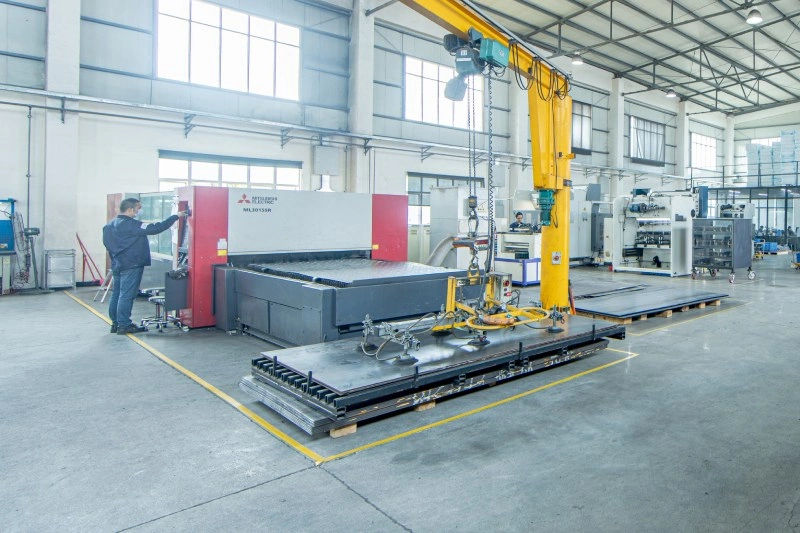
Modern manufacturing demands materials that perform under extreme conditions whilst maintaining precision. Erbium answers this call across industries where failure isn’t an option—from aerospace fabrication to clean energy production.
Laser Cutting, Welding, and Micromachining
Erbium-doped fibre lasers dominate industrial materials processing by operating at wavelengths (1.1 to 2 μm) perfectly matched to material absorption characteristics, delivering both higher processing speeds and superior cut quality. These systems enable welding speeds exceeding 1 m/s in polymer-to-polymer and polymer-to-metal applications, whilst their high energy density provides precise cutting and engraving capabilities across diverse materials.
The performance advantage comes from erbium’s ability to maintain beam quality and power stability during continuous operation—critical factors when processing thousands of components per hour in automotive or electronics manufacturing.
Solid Oxide Fuel Cell (SOFC) Components
Clean energy generation through SOFCs operates at demanding temperatures between 500-1000°C, where conventional materials fail. Rare earth elements, particularly erbium, become essential across nearly every cell component. Erbium enhances ionic conductivity in electrolyte materials by creating oxygen vacancies whilst stabilising the crystal structure under thermal cycling.
This structural stability translates directly to longer cell lifespans and higher efficiency—making SOFCs viable for industrial-scale power generation.
Catalysts and Photocatalysts for Chemical Processing
Erbium(III) salts serve as highly effective Lewis acids in green chemistry applications, offering remarkable stability and low toxicity compared to traditional catalysts. These compounds enable reactions under mild conditions whilst maintaining activity through multiple reuse cycles without significant performance degradation. Erbium(III) triflate demonstrates exceptional catalytic efficiency in epoxide conversion to 1,2-diacetate reactions.
The economic impact is substantial—reusable catalysts reduce both material costs and waste generation in large-scale chemical production. Just as cerium drives catalytic converters in automotive systems, erbium compounds expand catalyst efficiency into green chemistry.
High-Temperature and Anti-Corrosive Coatings
Extreme environments demand exceptional protection. Er₂O₃ tritium barrier coatings exhibit outstanding electrochemical corrosion resistance with room temperature resistivity of 3.4 × 10⁹ Ω·cm. Erbium triflates function as effective initiators for powder epoxy systems, delivering superior anticorrosive properties whilst reducing both curing temperature and processing time.
These coatings protect critical infrastructure in nuclear facilities, chemical processing plants, and offshore installations where coating failure could result in catastrophic system damage.
Key Takeaway: Manufacturing precision meets durability through erbium—from laser systems processing thousands of parts per hour to protective coatings surviving the harshest industrial environments.
Green Energy, Sensors & Smart Grids
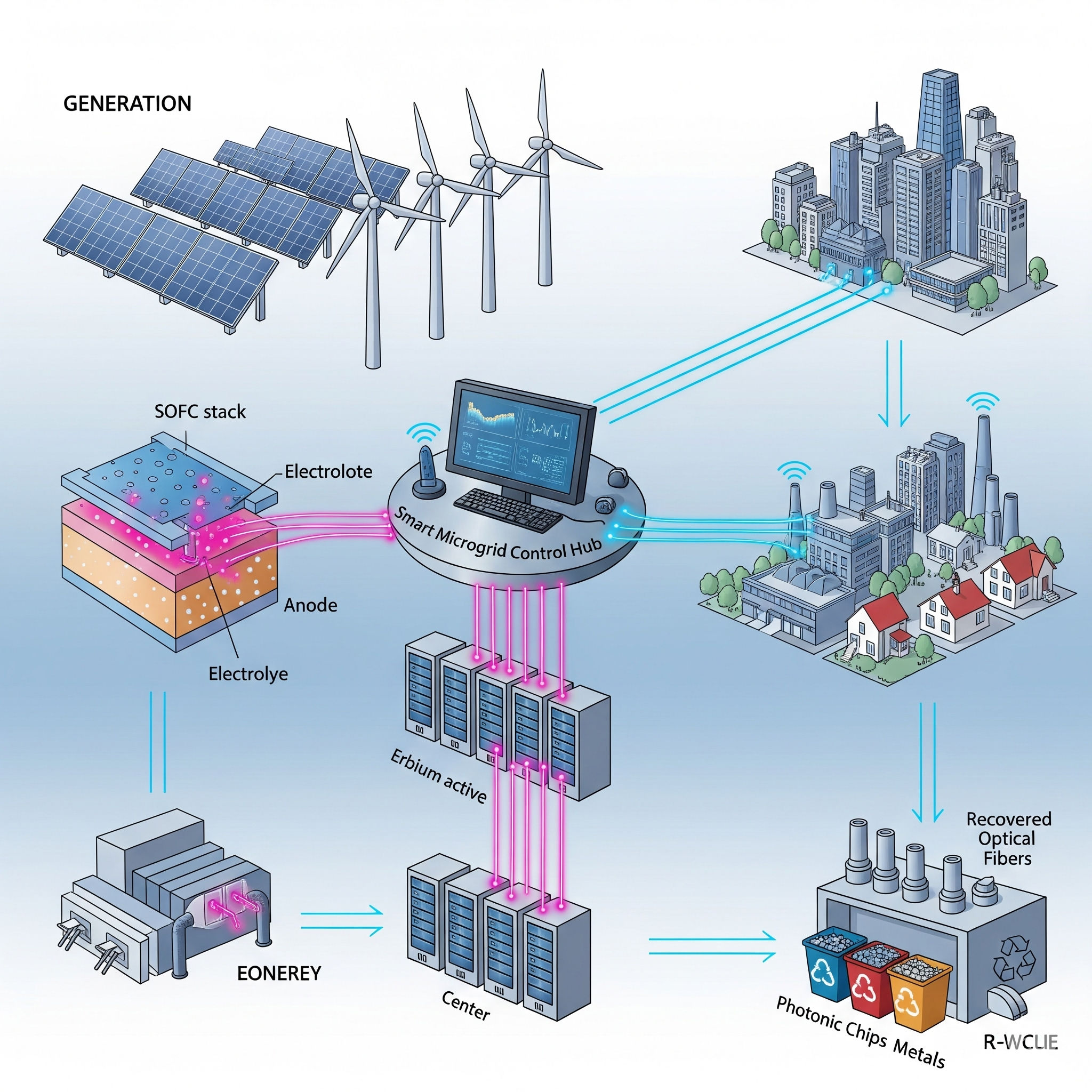
Modern sustainable technology sectors depend on materials that deliver measurable efficiency gains while reducing overall system complexity. Erbium fits this requirement perfectly through its ability to consolidate multiple functions into single, high-performance components.
Efficiency Improvements in Data Centre Connexions
Data centres consume approximately 3-4% of global electricity, making energy efficiency critical for sustainable operations. Erbium-doped systems address this challenge through coherent optics technology that places information in the phase of laser light rather than traditional amplitude modulation. This approach enables lower-power signals to maintain integrity across long distances while allowing a single higher-power laser to serve multiple connections.
The efficiency gains prove substantial. Data centres can eliminate thousands of individual lasers by implementing centralised erbium-based systems with improved cooling efficiency. This consolidation reduces both power consumption and heat generation, creating compound energy savings across the facility’s infrastructure.
SOFC Enhancements for Clean Power
Solid oxide fuel cells represent one of the most promising clean energy technologies, operating at 500-1000°C with high electrical efficiency. Erbium-stabilised bismuth oxide (ESB) compounds significantly boost performance by improving ionic conductivity in the electrolyte materials.
The compound Bi₀.₈₀Er₀.₂₀O₁.₅ demonstrates the highest conductivity among all stabilised Bi₂O₃ systems. Advanced 8T16LSB ceramics containing erbium achieve conductivity of 0.56 S·cm⁻¹ at 700°C—a notable improvement over conventional materials.
| Material | Conductivity at 700°C (S·cm⁻¹) |
|---|---|
| 8T16LSB (with Er) | 0.56 |
| 20ESB | 0.37 |
This enhanced conductivity translates directly to improved fuel cell efficiency and reduced operating temperatures, extending system lifespan while maintaining power output.
Recycling and Closed-Loop Resource Recovery
Sustainable erbium supply increasingly relies on recovery from electronic waste streams. Bio-metallurgy techniques now recover rare earth elements from e-waste with 80-95% efficiency, creating closed-loop systems that reduce dependence on primary mining operations.
These recovery processes concentrate erbium from distributed sources like fibre optic equipment, medical devices, and display components, supporting circular economy principles while maintaining supply chain security.
Key Takeaway: Erbium enables system-level efficiency improvements across energy infrastructure—from consolidating data centre operations to enhancing fuel cell performance and supporting sustainable resource recovery.
Consumer, Jewellery & Specialised Uses
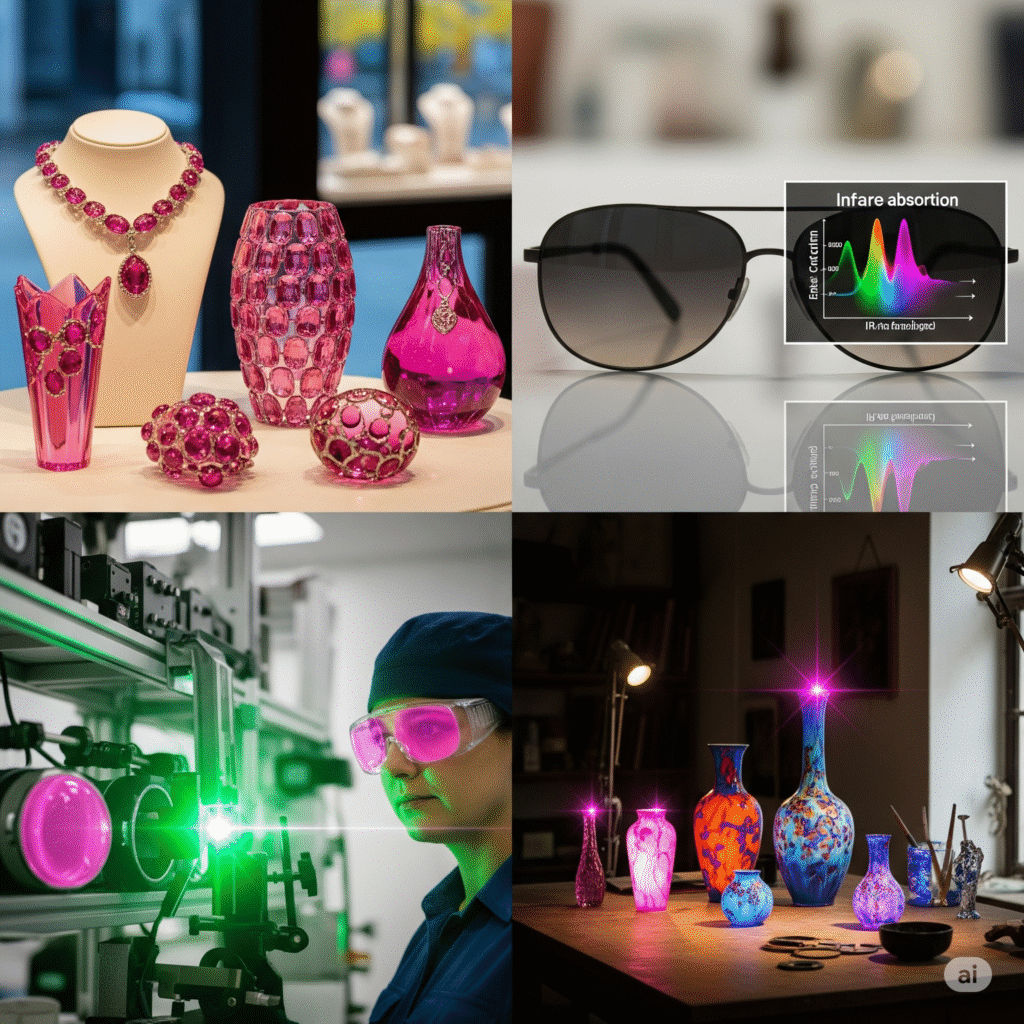
Erbium’s distinctive pink coloration extends beyond industrial laboratories into consumer products most people encounter daily, from designer sunglasses to decorative glassware.
Pink Glass for Jewellery and Synthetic Gems
Erbium oxide produces a distinctive pink tint in glass that shifts dramatically with lighting conditions. Natural daylight reveals a pale pinkish hue, while incandescent lighting transforms the same glass into vibrant, intense pink. This colour-changing property makes erbium-doped glass particularly valuable for decorative glassware, including vases, bowls, and glazed lamps.
Jewellers prize this optical behaviour for creating pieces that appear different throughout the day, adding a dynamic element to static decorative objects.
Sunglasses and Infrared-Shielding Optics
Designer sunglasses frequently incorporate erbium’s pink coloration for aesthetic appeal. Beyond visual appeal, erbium oxide provides practical benefits through its selective infrared light absorption, creating protective sunglasses that shield eyes from harmful radiation.
This dual functionality—aesthetic and protective—makes erbium-doped lenses particularly suited for high-end eyewear where both appearance and performance matter.
Protective Filters for Industrial and Medical Eyewear
Erbium oxide is widely used in infrared‑absorbing safety lenses for welders, metalworkers, and laser technicians. Its selective absorption blocks specific IR wavelengths while preserving high visible‑light clarity, meeting safety standards such as ANSI Z87.1 and EN 207.
In medical environments, erbium‑based filters protect surgeons during laser procedures in ophthalmology and dermatology, where precise wavelength blocking prevents retinal and corneal damage.
The material’s ability to selectively filter specific wavelengths while maintaining optical clarity makes it invaluable for protective equipment requiring precise visual performance.
Coloured Porcelain and Glass Art
Erbium oxide’s light pink colour serves as a glaze component for ceramics and porcelain. Glass artists and sculptors value erbium-doped materials for creating distinctive works, particularly when combined with other colourants to produce unique visual effects.
The predictable colour response allows artists to achieve consistent results while exploring creative combinations with complementary materials.
> Fun Fact: Erbium-doped glass appears pale pink in daylight but transforms into vibrant pink under incandescent lighting!
Key Takeaway: Erbium’s unique optical properties create consumer products that combine aesthetic appeal with practical functionality, demonstrating how this rare earth element enhances everyday objects through both beauty and performance.
Research, R&D & Frontier Technologies
Scientific breakthroughs often depend on materials that perform at the absolute limits of physics. Erbium enables quantum technologies and advanced computing systems that simply cannot exist with conventional materials.
Quantum Photonics & Quantum Computing Components
Scientists recently achieved a breakthrough by integrating individual erbium atoms into silicon crystals, creating optimal conditions for quantum networks. These erbium atoms communicate through light at telecom wavelengths, making them ideal building blocks for quantum computers that share information across vast distances. The precision is remarkable—researchers achieved spectral lines as narrow as 10 kilohertz in these systems. More importantly, they maintained quantum coherence at temperatures as high as 8 Kelvin—accessible with standard liquid helium cooling rather than exotic refrigeration.
This temperature tolerance represents a crucial advantage. Most quantum systems require near absolute zero temperatures, making them impractical for widespread deployment. Erbium-based quantum components could operate in conditions that existing infrastructure can support.
AI Hardware and Neuromorphic Photonic Processors
Neuromorphic photonic computing delivers sub-nanosecond latencies that conventional processors cannot match. Physical photonic computing encodes data directly in optical properties, bypassing electrical conversion entirely. These systems potentially achieve PetaMAC processing speeds per mm² with attojoule per MAC energy efficiencies—performance metrics that could redefine artificial intelligence hardware.
Biomedical Nanodevices and Photodynamic Therapies
Erbium-doped nanoparticles serve as bioimaging probes with visible-to-near-infrared upconversion emission. Their photostability and NIR excitation capabilities make them suitable for deep tissue imaging where conventional methods fail. Researchers show photodynamic therapy applications that exploit these particles’ unique light-conversion properties.
Experimental and Pipeline Applications
Future applications include quantum cryptography systems and microwave-to-optical transduction using erbium ion ensembles. Space exploration missions already benefit from neuromorphic systems incorporating erbium, operating on less than 1.5W power consumption—approximately 90% more energy efficient than conventional processors.
The strategic implications are significant. Nations leading in erbium-based quantum technologies could gain decisive advantages in secure communications, computational power, and space exploration capabilities.
Key Takeaway: Erbium sits at the intersection of quantum physics, computing, and national security—enabling breakthrough technologies that could reshape how information is processed, secured, and transmitted globally.
Erbium Applications: Complete Industrial Reference
Erbium’s applications span an extraordinary range of industries, from the most advanced quantum research laboratories to everyday consumer products. This comprehensive reference captures the full scope of how this rare earth element shapes modern technology across eight major sectors.
| Industry Sector | Key Applications |
|---|---|
| Telecommunications | • Erbium-Doped Fibre Amplifiers (EDFAs) for signal boosting • Fibre optic lasers and waveguide amplifiers • Photonic integrated circuits • Quantum communication networks |
| Medical | • Dermatology lasers for skin resurfacing • Dental lasers for cavity preparation • Ophthalmology procedures • Cosmetic and tattoo removal • Cancer therapy via nanoparticles • Photodynamic therapy |
| Electronics & Displays | • Phosphors for LCD/LED screens • AR/VR display components • Tunable optical filters • Miniaturised photonic chips |
| Nuclear | • Neutron control rods • Reactor fuel additives (burnable poisons) |
| Materials Science | • Alloying agent for titanium/vanadium • Superalloy components • High-performance magnets • Specialised ceramics • Pink glass colourant |
| Industrial | • Laser cutting/welding systems • Solid oxide fuel cell components • Catalysts for chemical processing • High-temperature protective coatings |
| Consumer Products | • Pink glass for jewellery and art • Infrared-shielding sunglasses • Protective eyewear for welders • Decorative ceramics and porcelain |
| Emerging Research | • Quantum computing components • Neuromorphic photonic processors • Biomedical nanodevices • Space exploration systems |
The breadth of these applications reveals erbium’s unique position in the periodic table—an element whose optical, thermal, and nuclear properties make it irreplaceable across technologies that operate at fundamentally different scales and conditions.
Key Takeaway: From telecommunications infrastructure supporting billions of users to experimental quantum computers in research labs, erbium demonstrates how a single rare earth element can become essential to both today’s critical systems and tomorrow’s breakthrough technologies.
Global Supply Chains and Strategic Dependencies
The erbium supply chain reveals a familiar pattern in critical minerals: concentrated production, complex refining, and strategic vulnerabilities that extend far beyond market economics.
China’s Dominance and Production Concentration
China commands 70% of global rare earth mining and 87% of refined production, positioning it as the gatekeeper for erbium supplies worldwide. The United States contributes 14% of mine production, followed by Australia (6%), Myanmar (4%), and Thailand (2%). This concentration becomes more concerning when considering that erbium sources cluster primarily in southern China and neighbouring Myanmar, creating geographic bottlenecks in supply chains.
Erbium extraction relies on minerals like monazite, bastnasite, and ion-adsorption clays—materials that require sophisticated solvent extraction processes involving crushing, grinding, chemical leaching, and multi-stage purification. Kazakhstan and Egypt now explore kaolinite clays as alternative sources, where erbium constitutes 70-90% of extracted rare earths, potentially diversifying supply sources.
Market Growth and Strategic Implications
Global erbium demand reached 647.06 tonnes in 2024 and projects 2.50% CAGR growth through 2033, reaching 815.21 tonnes. While erbium’s demand remains steady, the Europium market shows sharper volatility tied to phosphor and display cycles. Telecommunications, healthcare, and manufacturing sectors drive this expansion, yet the modest growth rate masks the material’s strategic importance—small quantities enable disproportionately large technological capabilities.
Environmental Costs and Health Considerations
Rare earth extraction carries substantial environmental penalties, including soil degradation and ecosystem disruption. Producing 1kg of erbium oxide generates 21.7kg CO₂ equivalent emissions, highlighting the carbon intensity of seemingly small quantities. Long-term exposure studies near mining areas document erbium accumulation in human blood (424-1274μg/L) and hair (0.06-1.59μg/g), raising concerns about occupational and community health impacts.
Electronic waste recovery offers hope: erbium extraction from discarded electronics achieves 80-95% recovery efficiency, creating sustainable alternatives to primary mining while reducing environmental burdens.
Supply Chain Risks and Strategic Response
Erbium’s concentrated supply chain creates vulnerabilities that extend beyond commercial considerations into national security domains. Countries dependent on erbium for telecommunications infrastructure, medical devices, and defence systems face potential supply disruptions that could affect critical capabilities.
The challenge lies not just in securing supply, but in building resilient systems that can maintain technological edge while reducing strategic dependencies.
Key Takeaway: Erbium’s supply chain concentration in China creates strategic vulnerabilities for nations dependent on telecommunications, medical, and defence applications, highlighting the critical need for supply diversification and enhanced recycling capabilities.
Conclusion & Strategic Outlook
Erbium’s impact is both broad and profound. From the fibre optic cables carrying global internet traffic to precision surgical lasers saving lives, this pinkish-silver metal has become a critical enabler of modern technological infrastructure.
The element’s most visible contribution remains telecommunications, where erbium-doped amplifiers ensure seamless data transmission across continents. Yet its influence extends far beyond signal boosting. Erbium enhances nuclear reactor safety through superior neutron absorption characteristics, strengthens aerospace alloys for extreme environments, and enables medical procedures with unprecedented precision and reduced recovery times.
Perhaps most significant is erbium’s emerging role in quantum computing. Individual erbium atoms integrated into silicon crystals could form the building blocks of quantum networks, potentially creating an ultra-secure quantum internet that would redefine global communications security.
However, this technological dependency creates strategic vulnerabilities. China’s 87% control of global rare earth refining capacity creates a critical bottleneck in erbium supply chains. Countries worldwide increasingly recognise this concentration risk, driving initiatives toward supply diversification and advanced recycling technologies that can achieve 80-95% recovery efficiency from electronic waste.
The erbium story exemplifies how seemingly obscure materials become foundational to technological progress. Despite its modest 647-tonne global market, this rare earth element underpins critical systems from internet infrastructure to nuclear reactors to quantum computers.
For nations seeking technological sovereignty, the path forward requires careful balance: securing reliable supply partnerships while developing domestic capabilities in recycling and recovery. Erbium reminds us that in an era defined by materials science, geostrategic competition, and supply chain resilience, even the smallest quantities of the right elements can determine technological leadership.
The question facing policymakers today: how do we secure access to materials that may be rare in quantity but are abundant in strategic importance?
FAQs
What are some surprising applications of erbium in modern technology?
Erbium has diverse applications across industries. It’s used in fibre optic amplifiers for telecommunications, medical lasers for dermatology and dentistry, and as a component in nuclear reactor control rods. Erbium also enhances alloys for aerospace applications and is being explored for quantum computing technologies.
How does erbium contribute to telecommunications?
Erbium plays a crucial role in telecommunications through erbium-doped fibre amplifiers (EDFAs). These amplifiers boost optical signals in fibre optic networks, enabling long-distance data transmission without signal degradation. This technology forms the backbone of modern internet infrastructure.
What makes erbium valuable in medical treatments?
Erbium lasers are widely used in medical procedures due to their precision and minimal invasiveness. They’re particularly effective in dermatology for skin resurfacing, dentistry for cavity preparation, and ophthalmology for certain eye surgeries. Erbium lasers often result in faster healing times and less discomfort for patients.
How is erbium used in consumer products?
Erbium finds its way into various consumer products. It’s used to create pink-tinted glass for decorative items and jewellery. Erbium oxide is also used in sunglasses and protective eyewear to shield against infrared radiation. Additionally, it’s used in display technologies to enhance colour output in screens.
What are the environmental concerns associated with erbium production?
Erbium production, like other rare earth elements, raises environmental concerns. Mining and refining processes can lead to soil degradation and generate significant carbon emissions. There are also health risks associated with long-term exposure in mining areas. However, emerging recycling technologies offer more sustainable alternatives to new mining, with some methods achieving up to 95% recovery efficiency from electronic waste.