Last Updated on September 15, 2025 by Hemanth
Table of Contents
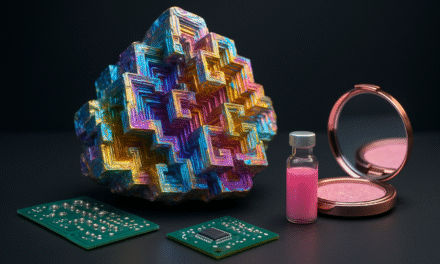
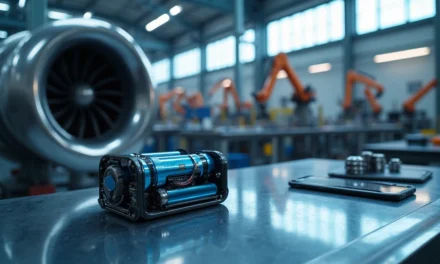
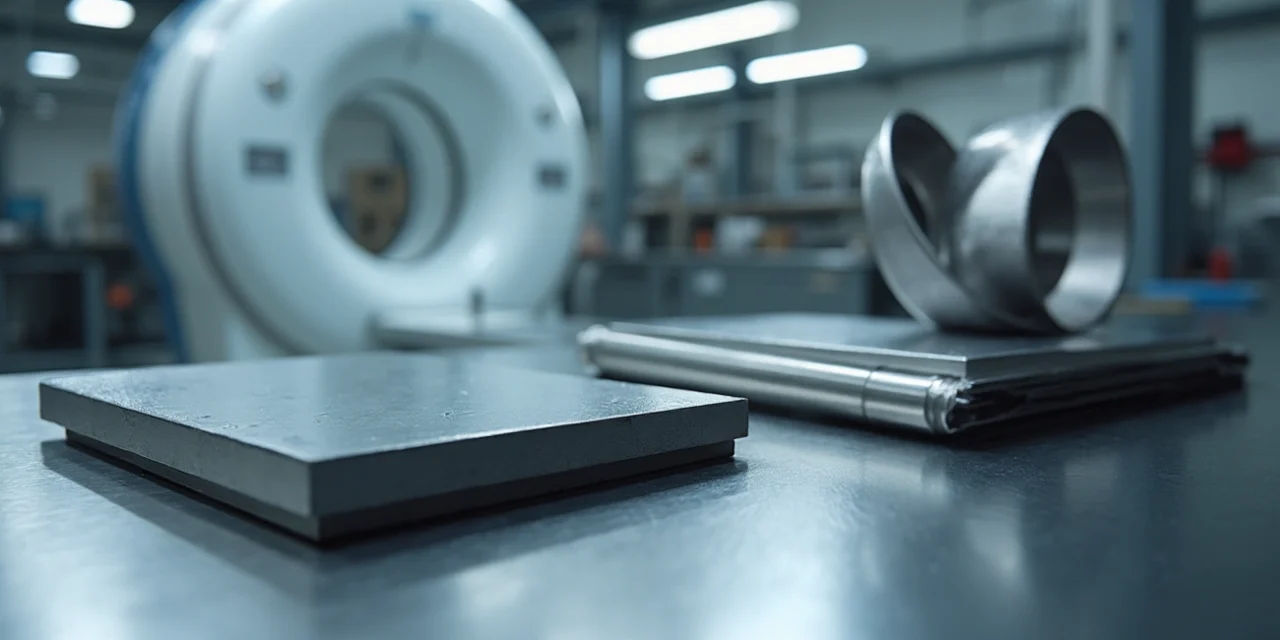
Niobium may be one of Earth’s less-known elements, but it packs a powerful punch. Just 0.03% can improve steel strength by over 30%. It also enables superconductors in medical imaging, aerospace alloys like C-103 rocket hardware, and advanced electronics.
This guide breaks down niobium’s unique properties, its strategic lead in global supply (Brazil dominates), and why India’s total reliance on imports remains a strategic vulnerability—even as its applications span infrastructure, health, defence, and quantum tech.
Adding just 0.03% niobium to steel increases its strength by more than 30%. That single statistic captures why this grey, lustrous metal has become indispensable across industries that most people never connect. Niobium uses span everything from aerospace alloys to medical implants and quantum electronics, yet remain underappreciated outside the industrial world.
You won’t find niobium mentioned in most materials science textbooks, yet 85% to 90% of global production goes directly into iron and steel manufacturing. This quiet efficiency defines niobium’s role in modern engineering: extraordinary impact through minimal addition.
What Makes Niobium Unique: Properties and Global Sources
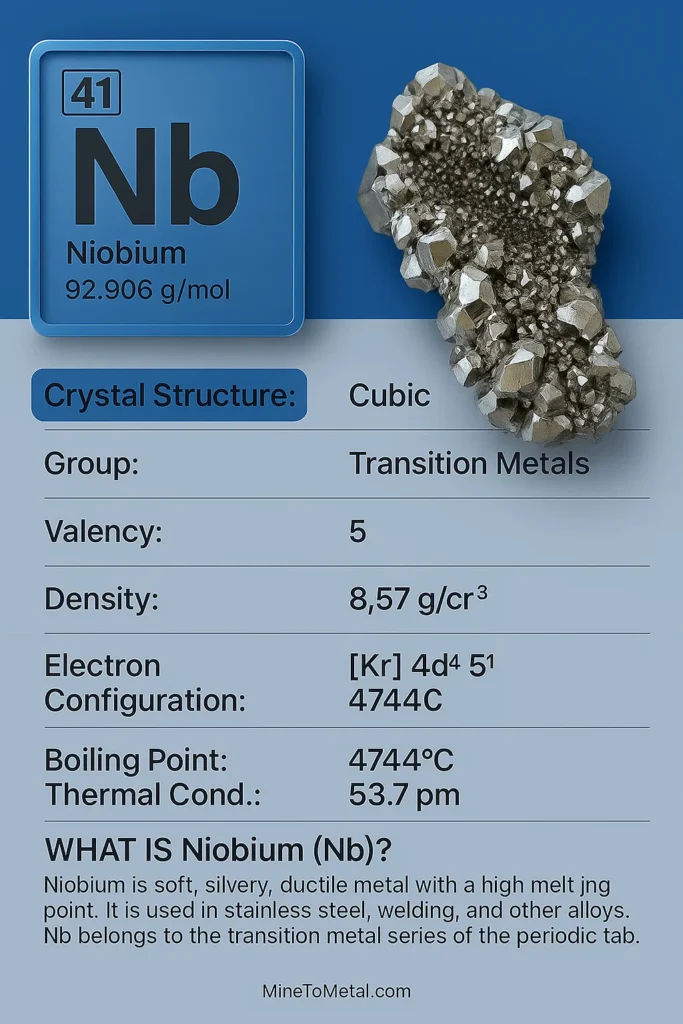
Niobium (chemical symbol Nb, atomic number 41) occupies a distinctive position among transition metals through its exceptional combination of physical and chemical characteristics. With a melting point of 2477°C and density of 8.57 g/cm³, this grey, lustrous metal exhibits remarkable stability across temperature extremes whilst maintaining the versatility that makes it indispensable in modern engineering.
The element is essentially paramagnetic under normal conditions, yet transforms into a superconductor when cooled sufficiently—a duality that enables applications ranging from structural steel to quantum technologies.
Where Niobium Comes From: Geological Origins
Niobium is typically found alongside tantalum in igneous rocks such as granite, syenite, and pegmatite. It often forms in carbonatites—rare, calcium-rich magmatic rocks—or in alkaline intrusions sourced from the deep mantle. These geological settings, shaped by ancient tectonic activity, create mineral deposits rich in niobium-tantalum oxides like pyrochlore and columbite.
Exceptional Corrosion Resistance and Self-Healing Properties
The outstanding corrosion resistance of niobium stems from the formation of a protective oxide layer when exposed to air and moisture. This self-healing property provides moderate to high resistance against most aqueous mediums typically considered corrosive, including dilute mineral acids and organic liquids.
However, dilute strong alkalies, hot concentrated mineral acids, and hydrofluoric acid rapidly attack the metal. Its hardness compares to titanium whilst maintaining ductility similar to iron—a combination that proves valuable in demanding industrial environments.
Superconductivity and Cryogenic Behaviour
At cryogenic temperatures, niobium exhibits superconducting properties that set it apart from other elements. It possesses the highest critical temperature among elemental superconductors at 9.2 K. Measurements on NbSe3 reveal large temperature-dependent diamagnetism and flux trapping below approximately 2K.
This superconducting capability makes niobium the material of choice for magnetic resonance imaging equipment and particle accelerators, where zero electrical resistance enables the powerful magnetic fields required for operation.
Low Neutron Capture Cross-Section
The thermal-neutron capture cross-section of niobium has been measured at 1.11 ± 0.04 barns, making it relatively neutron-transparent compared to many other metals. This property enables applications in nuclear environments where neutron-transparent structures are necessary.
Combined with high-temperature resistance (900°C to 1010°C), these characteristics render niobium materials especially attractive for reactor applications where both structural integrity and neutron economy are critical.
Primary Niobium Minerals: Pyrochlore, Columbite, and Coltan
More than 130 minerals containing niobium have been discovered. The primary industrial sources include:
Pyrochlore ((Na,Ca,Ce)₂(Nb,Ti,Ta)₂(O,OH,F)₇): Found in carbonatites and alkaline granite-syenite complexes Columbite ((Fe,Mn)Nb₂O₆): A significant source for industrial extraction
Coltan (columbite-tantalite): Notable for mining activities in conflict regions, highlighting the geopolitical aspects of niobium supply
Concentrated Global Supply
Brazil dominates global niobium production, accounting for approximately 90% of supply, with Canada contributing most of the remainder. Brazilian mines produce about 88% of the world’s supply. In 2024, worldwide mine production of niobium was estimated to reach 108,000 metric tonnes.
The main industrial types of niobium deposits are carbonate chlorite, pegmatite, and weathering leaching-alluvial sand. This concentration of supply in just two countries creates strategic dependencies for consuming nations.
Strategic Value Through Efficiency
What makes niobium truly remarkable is its efficiency—the element commands strategic importance despite being the 33rd most abundant element in Earth’s crust at only 20 ppm. Global reserves, estimated at 4.3 million tonnes, appear sufficient to meet foreseeable demand, possibly for the next 500 years.
This abundance ensures supply sustainability whilst the element’s extraordinary effectiveness at minute concentrations maintains its economic value across multiple industries.
Key Takeaway: Niobium’s unique combination of high melting point, corrosion resistance, superconductivity, and effectiveness in minute quantities enables its critical uses across multiple industries whilst ensuring supply sustainability for centuries to come.
Structural Engineering and HSLA Steels
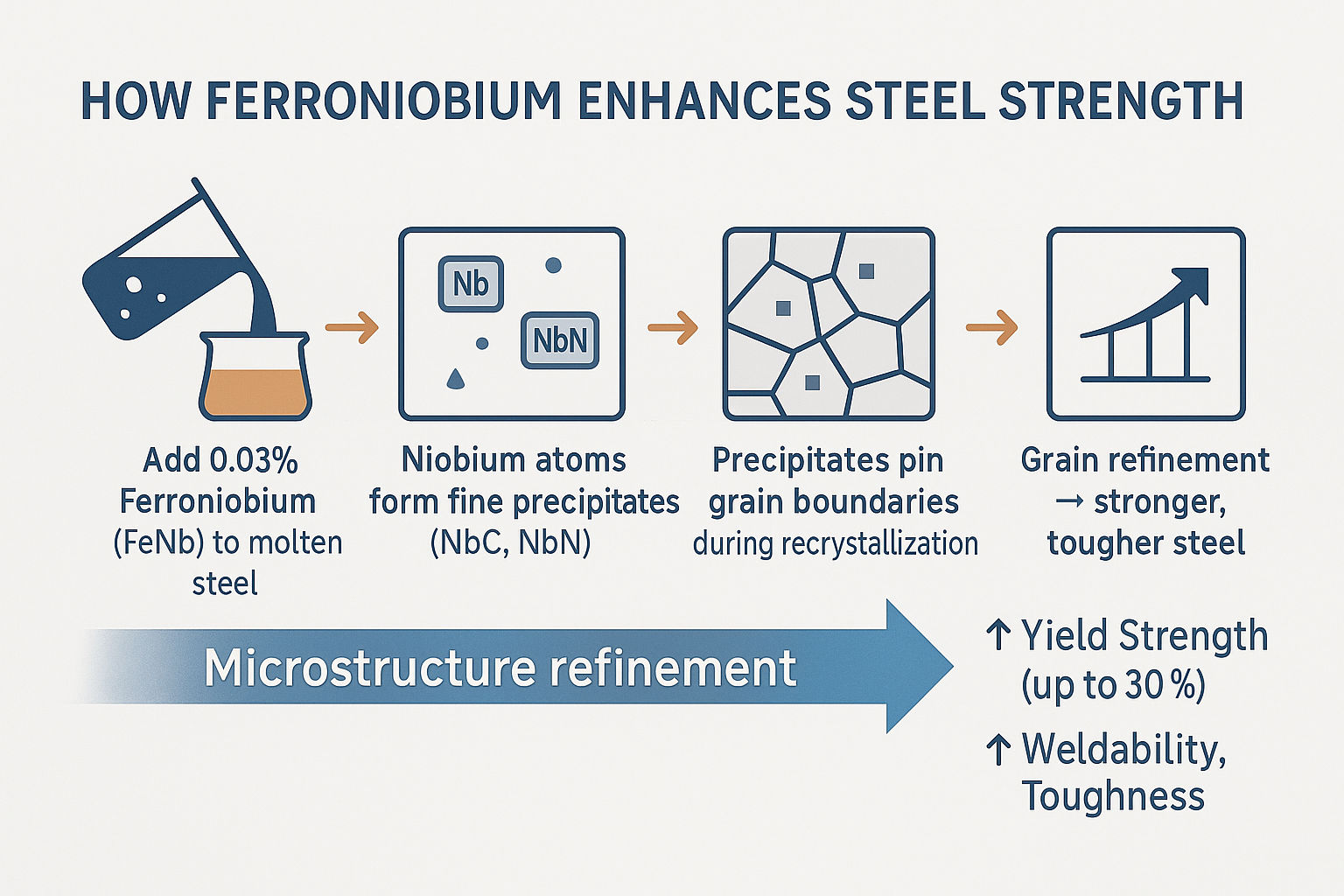
Ferroniobium transforms ordinary steel into high-performance structural material through what engineers call “microalloying”—precise additions that deliver extraordinary results. This alloy, typically containing [65% niobium and 35% iron], functions as one of the most efficient strengthening agents in modern metallurgy.
The numbers speak for themselves: a single pound of ferroniobium added to steel increases precipitation hardening, grain refinement, and fatigue resistance beyond what other microalloying elements can achieve. This efficiency has made ferroniobium indispensable in HSLA steels used across pipelines, automotive structures, and construction projects worldwide.
The 0.03% Solution
Where other alloying elements require substantial additions to show effect, niobium delivers with minimal intervention. [Additions as small as 0.03% niobium can increase steel strength by approximately 30%]. This remarkable efficiency allows engineers to design structures with thinner cross-sections whilst maintaining or improving performance—a critical advantage in weight-sensitive applications.
> “The addition of 0.05 and 0.10 wt.% Nb reduced the corrosion rate by 28% and 54% respectively, creating a dense and compact protective layer.”
Grain Refinement and Weldability Advantages
Niobium’s metallurgical benefits extend beyond strength. During thermomechanical rolling, it delays recrystallisation, resulting in fine-grained microstructures that improve toughness. Ferroniobium also reduces carbon equivalent values by 0.07%, directly improving welding properties—a crucial factor in large-scale construction where weld quality determines structural integrity.
Performance Comparison: Niobium vs Competing Elements
| Property | Niobium | Vanadium | Molybdenum |
| Strength Enhancement | Superior (most effective) | Moderate | Good |
| Grain Refinement | Excellent | Limited effect | Moderate |
| Weldability | Significantly improved | Limited improvement | Improves with Nb |
| Corrosion Resistance | Forms protective oxide layer | Limited | Excellent |
| Precipitation Temperature | Lower | Higher | Variable |
Infrastructure Applications: Bridges, Railways, and Beyond
Civil engineering increasingly relies on niobium-containing steels for projects demanding exceptional loading behaviour, vibration resistance, and corrosion performance. The Zandhazen railway bridge exemplifies this trend—utilising 8,400 tonnes of S460 niobium micro-alloyed steel achieved a 30% weight reduction compared to conventional S355 steel.
This weight reduction translates directly to economic benefits: lighter structures require less material, reduce foundation loads, and simplify construction logistics. Pipeline projects benefit similarly, with niobium-enhanced steels allowing thinner walls without compromising pressure ratings or safety margins.
Key Takeaway: Niobium-microalloyed steels deliver unmatched performance through extraordinary efficiency—providing superior strength, improved weldability, and enhanced corrosion resistance with minimal additions, enabling lighter, more durable, and more sustainable infrastructure worldwide.
Aerospace, Space, and Defence Systems
Aerospace demands materials that perform where others fail completely. The C-103 alloy, developed in 1965, exemplifies how niobium enables technologies that seemed impossible with conventional materials.

C-103 Alloy in Rocket Nozzles and Reentry Shields
Composed of 89% niobium, 10% hafnium, and 1% titanium, C-103 delivers exceptional thermal stability in aerospace components. This refractory alloy maintains structural integrity at temperatures exceeding 1,500°C, conditions that would destroy most engineering materials within seconds.
The evolution tells its own story: tantalum-tungsten alloy powered the first refractory metal nozzle around 1958-59, but niobium units appeared in the early 1960s. The switch wasn’t coincidental—niobium’s superior properties quickly established it as the material of choice for extreme aerospace environments. Similar high-temperature resilience is seen in Hafnium uses, where hafnium-niobium alloys extend performance in aerospace propulsion and hypersonic systems.
Nb-Based Superalloys in Jet Engines
Gas turbine environments push materials to their limits, where niobium-based superalloys excel through their high melting points and moderate density. Advanced compositions like Nb-16Si-5Mo-15W-5Hf-5C demonstrate creep rupture life exceeding 100 hours under 150 MPa at 1500°C. This alloy family mirrors the efficiency of Tungsten uses, where tungsten’s extreme melting point complements niobium’s lightweight strength in turbine environments.
These performance characteristics enable jet engines to operate at higher temperatures, directly improving thermal efficiency whilst reducing emissions.
High-Temperature Use in Hypersonic Missiles and Spacecraft
Hypersonic vehicles experience extreme friction-generated heat at speeds reaching Mach 18. Vacuum-grade niobium withstands thermal stresses above 2,400°C, making it essential for these cutting-edge applications. Its low density relative to other refractory metals delivers an excellent strength-to-weight ratio, directly improving fuel efficiency and payload capacity.
Recent Chinese research on niobium-silicon alloys capable of enduring 1,700°C for turbofan engine blades highlights the ongoing development in this field, where nations compete to push material performance boundaries.
Case Study: SpaceX Merlin Engine and Apollo Lunar Nozzles
| Application | Component | Niobium Alloy | Benefit |
| SpaceX Merlin | Vacuum engine nozzle extension | C-103 | Maximum efficiency in space |
| Apollo LM | Engine nozzle extension | C-103 | Heat resistance, structural strength |
| Apollo LM | Spacecraft engine | C-129Y | Reinforcement for nozzle ribs |
“The most famous application was perhaps the skirt for the LEM which also served as a crash cushion upon descent.”
The Apollo Spacecraft engine nozzle extension represents one of the largest structures ever fabricated from C-103 alloy. SpaceX’s Merlin Vacuum engine features a niobium alloy expansion nozzle that operates “with the greatest efficiency ever for an American-made hydrocarbon rocket engine”.
These aren’t just engineering achievements—they’re strategic capabilities that define national space and defence competencies.
Key Takeaway: Niobium alloys enable spacecraft and defence systems to function in environments too hostile for conventional materials, creating strategic advantages in space exploration and military applications through their unique combination of high-temperature strength and relatively low weight.
Superconducting Applications: From Hospital Scanners to Particle Physics
Niobium superconductors power technologies worth billions of dollars annually, yet most people never realise this element enables the MRI scans that could save their lives. The superconducting properties of niobium have created entire industries built around applications that seemed impossible just decades ago.
NbTi and Nb₃Sn: The Backbone of Medical Imaging
Every year, hospitals worldwide conduct an estimated 100 million MRI scans using equipment powered by niobium-titanium (NbTi) superconducting magnets. This represents a market worth approximately $2.5 billion for medical equipment. NbTi alloys excel in MRI applications because they combine mechanical flexibility with superconducting stability—a rare combination that allows these massive magnets to operate reliably for decades.
Nuclear Magnetic Resonance (NMR) spectroscopy demands even higher performance:
| Field Strength | Frequency | Superconductor Type | Applications |
| Up to 9.4T | 400 MHz | NbTi only | Standard industrial uses |
| 11.8T and above | 500+ MHz | NbTi/Nb₃Sn hybrid | High-resolution genomics/proteomics |
“The creation of true zero-resistance joints for connecting individual lengths of magnet coils is routine for NbTi magnets but more involved for Nb₃Sn.”
Particle Accelerators: Pushing Physics to Its Limits
The Large Hadron Collider (LHC) uses nearly 1,200 tonnes of niobium-titanium superconducting wire. This wire is cooled with superfluid helium to just 1.9 Kelvin close to absolute zero to create extremely powerful magnetic fields needed to guide particles at nearly the speed of light.. This represents the most significant technology driver for superconductor advancement since the early days of the field.
These superconducting magnets bend particle beams traveling at nearly the speed of light, enabling discoveries about the fundamental nature of matter and energy.
The following visual compares NbTi coils used in MRI with Nb₃Sn dipole magnets in accelerators, highlighting their differing magnetic field strengths, cryogenic systems, and engineering scale.
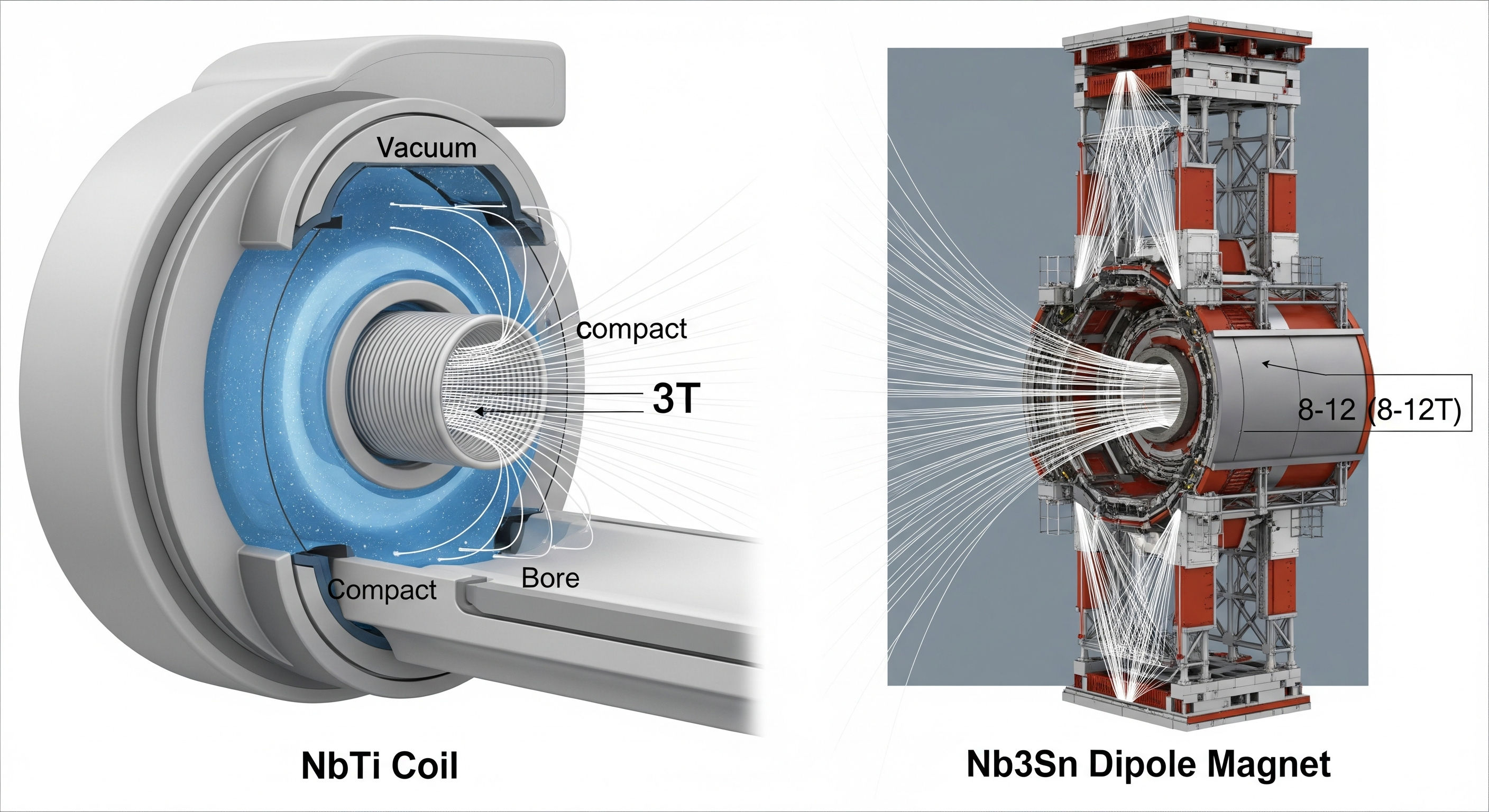
Without niobium’s superconducting properties, such experiments would be impossible—conventional magnets would require enormous amounts of electrical power and generate heat that would destroy the equipment.
Superconducting RF Cavities: Accelerating Particles
Ultra-pure niobium forms the foundation for Superconducting Radio-Frequency (SRF) cavities used in particle accelerators. These cavities typically operate at 2 K and accelerate particles with gradients exceeding 20 MV/m. The physics imposes a fundamental limit—the microwave magnetic field must stay below the critical field of niobium, corresponding to a maximum accelerating field of about 45 MV/m.
Quantum Detection: NbN Bolometers and Single-Photon Detectors
Niobium nitride (NbN) serves essential functions in quantum detection through its application in superconducting hot electron bolometers. These devices operate at temperatures as high as 9 K yet maintain optical noise equivalent power in the pW/Hz^(1/2) range. NbN’s short coherence length and fast response time make it ideal for Superconducting Nanowire Single-Photon Detectors that achieve >90% detection efficiency for infrared photons with picosecond timing resolution.
Case Study: Fermilab’s 3 GHz Niobium Cavities
Fermilab has developed third harmonic 3.9 GHz superconducting cavities to enhance photoinjector performance. These nine-cell niobium cavities feature an elliptical shape with a 30mm iris diameter for regular cells, while end cells have an increased 40mm diameter for better coupling and higher order mode damping. Tests revealed surface resistance of approximately 60 nΩ at 2 K—close to BCS theoretical predictions—with achieved magnetic field levels of ~100–110 mT during cold testing of Fermilab’s 3.9 GHz cavities (Fermilab-Conf-05-121-TD).
Key Takeaway: Niobium’s superconducting properties enable a multi-billion-dollar industry spanning medical diagnostics, fundamental physics research, and quantum technologies—creating capabilities that would be impossible with any other known material.
Electronics and Optical Applications
Niobium compounds power the electronics in your smartphone, laptop, and countless devices you use daily—yet their contributions remain largely invisible. From the capacitors that prevent electrical fires to the optical components that enable high-speed telecommunications, niobium’s electronic applications demonstrate remarkable versatility.
Lithium Niobate in IR, Laser, and SAW Devices
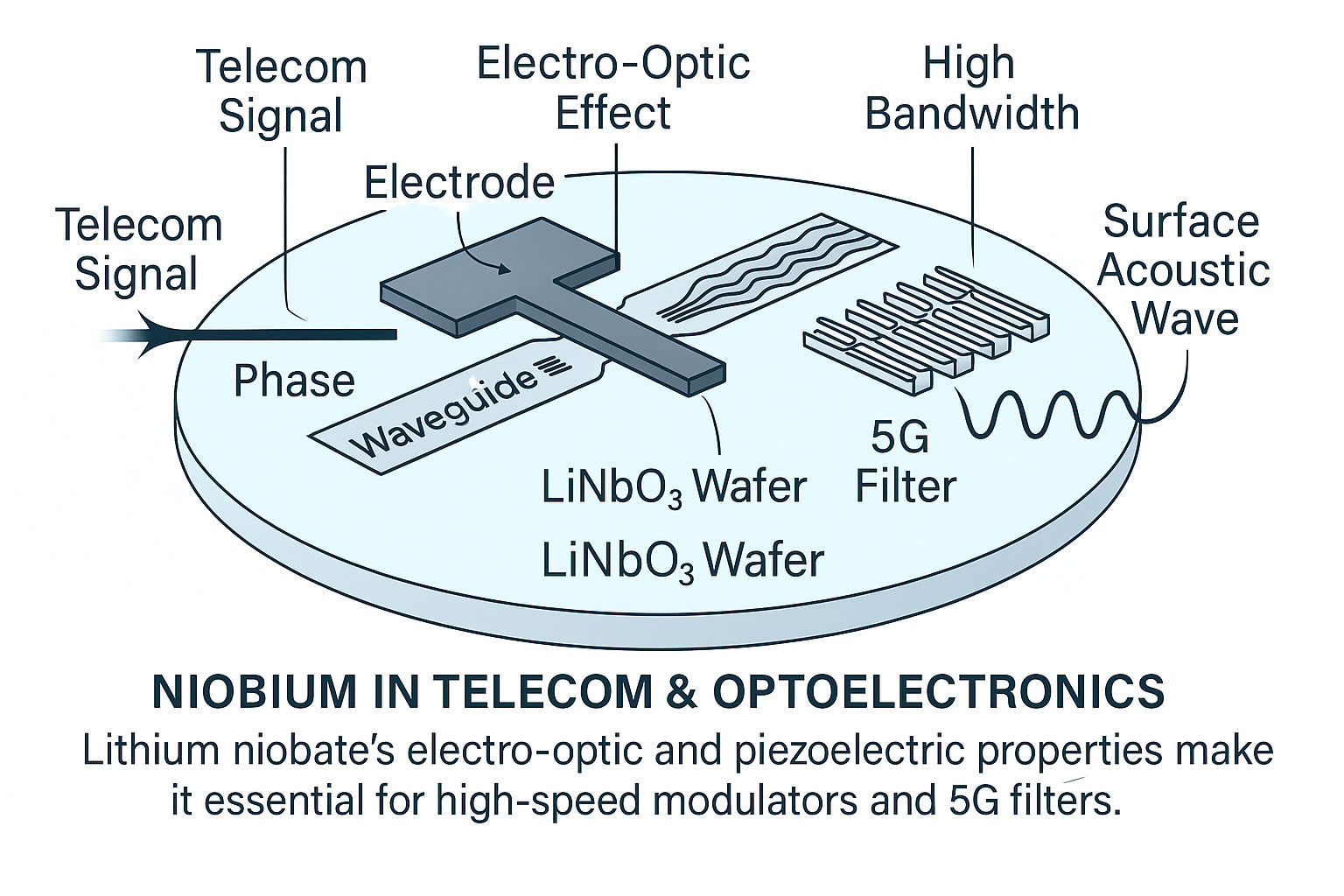
LiNbO₃ wafers aren’t just lab tools—they’re the invisible engines behind ultra-fast internet and next-gen 5G networks.
| Function | Role of Niobium | Application Area |
|---|---|---|
| Electro-Optic Modulation | Alters refractive index with electric field | Optical telecom modulators |
| Waveguide Control | Maintains low-loss signal transmission | Fiber-optic networks |
| Surface Acoustic Wave Gen. | Enables SAW filters via piezoelectricity | 4G/5G RF filters |
| High Bandwidth Handling | Supports GHz-range frequency operations | Photonic integrated circuits |
| Stable Crystal Structure | Niobium stabilizes lithium niobate lattice | Wafer-scale device fabrication |
Lithium niobate (LiNbO₃) serves as a cornerstone material in telecommunications and optical technology. Its exceptional electro-mechanical coupling makes it the preferred choice for surface acoustic wave (SAW) devices. Recent demonstrations show LiNbO₃-on-SiC resonators achieving impressive electromechanical coupling (k²) of 26.9% with quality factors exceeding 1,200. These components find applications in mobile telephones, optical modulators, laser frequency doubling, and optical switches operating at gigahertz frequencies.
The performance metrics speak for themselves: SAW filters based on LiNbO₃ demonstrate fractional bandwidth of 9.9% with insertion loss as low as 1.38 dB whilst maintaining footprints under 0.75 mm². This combination of efficiency and miniaturisation enables the compact, high-performance electronics that define modern telecommunications.
Niobium Capacitors in High-Frequency Circuits
Safety drives the adoption of niobium electrolytic capacitors, which emerged commercially in 2002 as cost-effective alternatives to tantalum components. They excel primarily in low-voltage (3.3V or 5V) applications where safety is paramount. Whereas tantalum capacitors can produce arcs or flames upon failure, niobium oxide capacitors reduce ignition failure modes by 95%.
This safety advantage becomes critical in consumer electronics, where component failure could pose fire hazards. The improved reliability comes without sacrificing electrical performance, making niobium capacitors increasingly attractive for high-volume applications.
Niobium Oxide Coatings in High-Refractive Index Glass
Niobium pentoxide (Nb₂O₅) dramatically increases the refractive index and nonlinear optical response of glass. With transparency across ultraviolet to middle-infrared wavelengths (0.35–7 μm), these coatings enable applications from augmented reality displays to specialised optics. For ultra-high refractive index glasses (n>1.8), compositions may contain up to 50% Nb₂O₅ by weight.
These optical properties enable advanced lens systems, high-performance displays, and precision instruments that require exceptional optical clarity across broad wavelength ranges.
Gettering Properties in Vacuum Tubes
Niobium’s strong ability to emit electrons and its gettering capability—its ability to trap residual gases in vacuum systems—make it valuable for electronic tubes and scientific instruments. As a non-evaporable getter, niobium-based alloys create ultrahigh vacuum conditions (10⁻¹⁰ mbar or lower) by binding residual gases on their surfaces.
Though vacuum tubes might seem antiquated, they remain essential in high-power applications, specialised electronics, and scientific instruments where solid-state alternatives cannot match their performance characteristics.
Niobium vs Tantalum Capacitors
| Property | Niobium Capacitors | Tantalum Capacitors |
| Failure Mode | Self-arresting, non-burning | Risk of short-circuit or ignition |
| Equivalent Series Resistance ESR (at 100 kHz) | Lower (ESR) | Higher ESR |
| Dielectric Constant | 41 | 27 |
| Cost | Generally lower | Typically higher |
| Safety | Higher (reduced thermal runaway risk) | Lower (may ignite under fault conditions) |
Key Takeaway: Niobium compounds enable safer, more efficient electronics across telecommunications, optical systems, and high-frequency circuits—delivering performance improvements that often go unnoticed by end users whilst providing critical safety advantages in consumer and industrial applications.
Nuclear Power: Where Neutrons Meet Metal
Nuclear reactors demand materials that can withstand conditions nowhere else on Earth. High-temperature resistance means little if neutron bombardment destroys the material’s structure. Corrosion resistance fails if the metal absorbs too many neutrons. Niobium strikes this balance better than most elements.
Zirconium-Niobium Alloys Keep Reactors Safe
Zirconium-niobium alloys excel in nuclear environments thanks to their outstanding combination of properties. With a melting point of 2477°C and thermal conductivity of 53.7 W/(m·C°), niobium enhances heat transfer efficiency in reactor components. These alloys withstand high pressure and temperature conditions (up to 350°C), whilst maintaining integrity under intense gamma and neutron radiation. A comparable strategy is adopted in Copper uses, where copper’s conductivity supports nuclear and energy infrastructure, reinforcing niobium’s role in reactor safety
“Niobium has higher thermal conductivity than zirconium, which helps transfer heat more efficiently to the reactor coolant. This improves temperature regulation and enhances safety during nuclear operations.”
The most widely used applications include:
| Alloy Type | Application | Key Advantage |
| Zr-1%Nb | VVER-1000 fuel cladding | Superior corrosion resistance |
| Zr-2.5%Nb | Pressure tubes | Enhanced hydride performance |
| Nb-stabilised SS (Type 347) | Pressure vessels, pipes | Excellent heat resistance |
Neutron Transparency Enables Chain Reactions
The thermal-neutron capture cross-section of niobium has been measured at approximately 1.15 ± 0.05 barns, making it relatively neutron-transparent. This property proves essential for materials used in reactor cores, where minimal neutron absorption is crucial for maintaining chain reactions. Nevertheless, engineers must account for the activation of 93Nb to 94Nb with its long half-life of 20,400 years.
Based on reactor deployment studies, Zr-Nb alloys containing 1% and 2.5% niobium have become standard fuel cladding materials in pressurized and boiling water reactors. The 2.5% Nb alloy demonstrates superior performance to pure zirconium alloys, particularly in low-oxygen coolant environments.
Advanced Reactors Need Better Materials
Sodium-cooled fast reactors (SFRs) represent one of the most promising applications for niobium-containing materials. SFRs use liquid sodium as a coolant instead of water, operating at higher temperatures and lower pressures than conventional reactors—thereby improving efficiency and safety.
Niobium’s interaction with sodium and nuclear fuel has been studied extensively for these advanced systems. Research shows that niobium can act as an oxygen sink when interacting with sodium and mixed-oxide (MOX) fuel, potentially controlling the oxygen potential of the system. This characteristic could prove crucial for managing sodium-fuel interactions in next-generation reactor designs.
The strategic implications extend beyond technical performance. Nations pursuing energy independence through nuclear power must secure access to materials that enable safe, efficient reactor operation. Niobium’s role in fuel cladding and reactor components makes it essential for countries planning expanded nuclear capacity.
Key Takeaway: According to reactor materials research, niobium’s low neutron capture cross-section (~1.1 barns), high thermal conductivity, and excellent corrosion resistance make it ideal for structural use in nuclear reactors.
Medical Niobium Uses: The Silent Guardian of Patient Safety
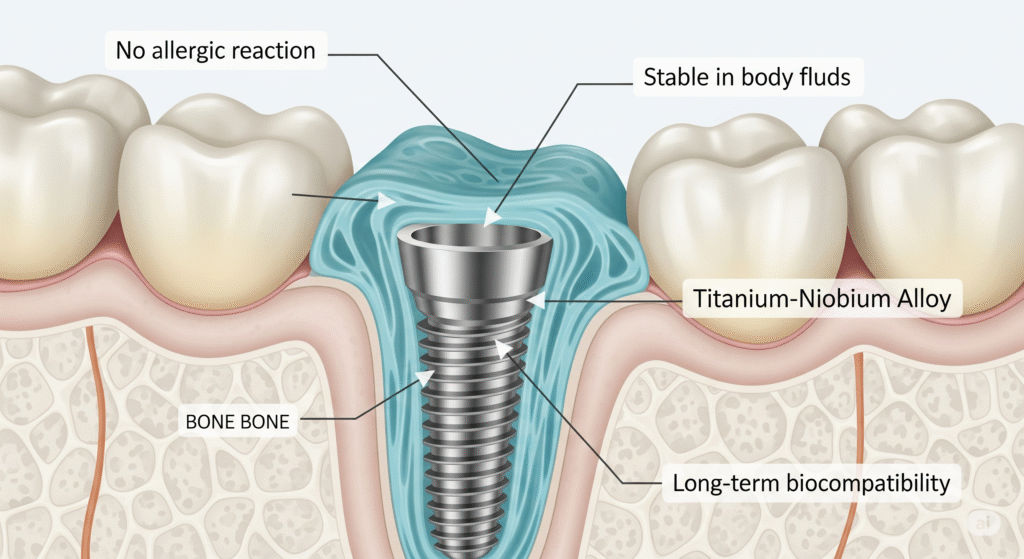
Medical device manufacturers rarely advertise the materials inside their products, yet niobium has quietly become essential where patient safety demands exceptional biological performance. This grey metal’s unique properties position it as a superior alternative to traditional medical materials, often outperforming titanium and stainless steel in critical applications.
Biocompatibility That Surpasses Industry Standards
Niobium demonstrates superior biocompatibility compared to commercial pure titanium and stainless steel, with human tissues showing no rejection response. Both in vitro and in vivo evaluations confirm that niobium promotes osteoblast proliferation and facilitates new bone formation at bone defect sites. When researchers examined 17 common metals on osteoblast-like cells, niobium ranked among the top performers alongside titanium, zirconium, hafnium, tantalum, chromium, ruthenium, and silicon for cytocompatibility.
“Cell cultures demonstrate much higher mitochondrial activity and cell proliferation on niobium compared to titanium and stainless steel.”
The numbers tell the story: niobium-based implants consistently show higher cell proliferation rates and better tissue integration than conventional materials. This translates to faster healing times and reduced risk of implant rejection for patients.
Corrosion Resistance That Protects Long-Term Health
Corrosion resistance determines whether an implant remains safe over decades of use. Even corrosion-resistant stainless steel can release metal ions that potentially cause chronic allergies or toxicity. Niobium’s exceptional corrosion performance proves invaluable—primarily attributed to the niobium oxide (Nb₂O₅) layer that forms over its surface.
This protective oxide layer creates a barrier between the metal and body fluids, preventing ion release that could trigger adverse reactions. For patients requiring long-term implants, this characteristic can mean the difference between successful treatment and costly revision surgery.
| Property | Niobium | Titanium | Stainless Steel |
| Cell Proliferation | Highest | Moderate | Lower |
| Osseointegration | Excellent | Good | Limited |
| Thrombosis Risk | Reduced | Moderate | Higher |
| Corrosion Performance | Outstanding | Very Good | Good |
Surgical Instruments That Deliver Reliability
The surgical community values niobium for instruments requiring strength alongside corrosion resistance. Niobium alloys serve effectively in surgical tools where reliability under challenging conditions is essential. These instruments benefit from niobium’s high strength, corrosion resistance, and biocompatibility—a combination rarely found in medical materials.
Modern applications typically use niobium as an additive element in titanium alloys, including Ti–24Nb–4Zr–8Sn, Ti–6Al–7Nb, Ti-11Zr-10Nb-1Si, and Ti–35Nb–7Zr–5Ta. Recent years have witnessed growing interest in pure niobium-based alloys for implants, with studies exploring combinations with elements such as zirconium, tantalum, copper, and silver.
The surgical precision enabled by niobium-enhanced instruments directly impacts patient outcomes. These tools maintain their sharpness longer, resist corrosion from sterilisation processes, and provide surgeons with consistent performance across thousands of procedures.
Key Takeaway: Niobium’s exceptional biocompatibility, superior corrosion resistance, and mechanical stability make it increasingly valuable in medical applications where long-term implantation safety is paramount—offering advantages over traditional materials whilst enabling next-generation biomedical engineering solutions.
Consumer Markets: Where Chemistry Meets Craftsmanship
Gold and silver command traditional jewellery markets, but niobium has established itself in specialized consumer applications through properties that precious metals simply cannot match.
Anodised Niobium in Coloured, Hypoallergenic Jewellery
Niobium jewellery solves a problem that affects millions: metal allergies and sensitivities. The metal’s exceptional biocompatibility stems from its lack of nickel—the primary culprit behind jewellery-related allergic reactions. Unlike silver or gold alloys that often contain sensitizing metals, niobium remains completely hypoallergenic.
The real innovation lies in niobium’s colour capabilities. Through controlled anodization, jewellers create vibrant hues without toxic dyes or surface treatments. The process involves:
- Immersing niobium in an electrolytic solution
- Applying precise voltage (5-120V)
- Growing transparent oxide layers that interfere with light
| Voltage Level | Resulting Colour | Oxide Layer |
| ~5V | Pale gold | Thinnest |
| ~20V | Purple/blue | Medium |
| ~100V | Vibrant pink | Thickest |
> “Different voltages produce different thicknesses of oxide and consequently, different colours—without any toxic inks or dyes.”
This electrochemical colouring proves permanent and fade-resistant, creating jewellery that maintains its appearance indefinitely without the coating degradation common in plated metals.
Niobium in Commemorative Coins and Numismatic Artefacts
The Austrian Mint’s 2003 breakthrough created the world’s first niobium coins, combining silver outer rings with niobium cores. These 25-euro commemorative pieces achieve their distinctive colours through precisely controlled oxidation rather than paint or plating.
Collector demand has consistently exceeded supply throughout their 20-year production run. The inaugural 50,000-piece mintage sold out rapidly, with subsequent releases often attracting 75,000+ orders for the same limited quantity.
The technical achievement required two years of development collaboration between the Austrian Mint and Plansee manufacturing company to perfect the oxidation process. Their success is reflected in six Coin of the Year Awards in the “best bimetallic coins” category between 2015-2022.
These coins demonstrate niobium’s unique position in luxury consumer goods: a material that enables aesthetic possibilities unavailable with traditional precious metals whilst maintaining the durability and value retention that collectors demand.
Key Takeaway: Niobium’s anodization capabilities and hypoallergenic properties create consumer applications that precious metals cannot replicate, establishing niche markets in both jewellery and collectibles where performance matters as much as appearance.
Niobium Pigments in Industrial Coatings
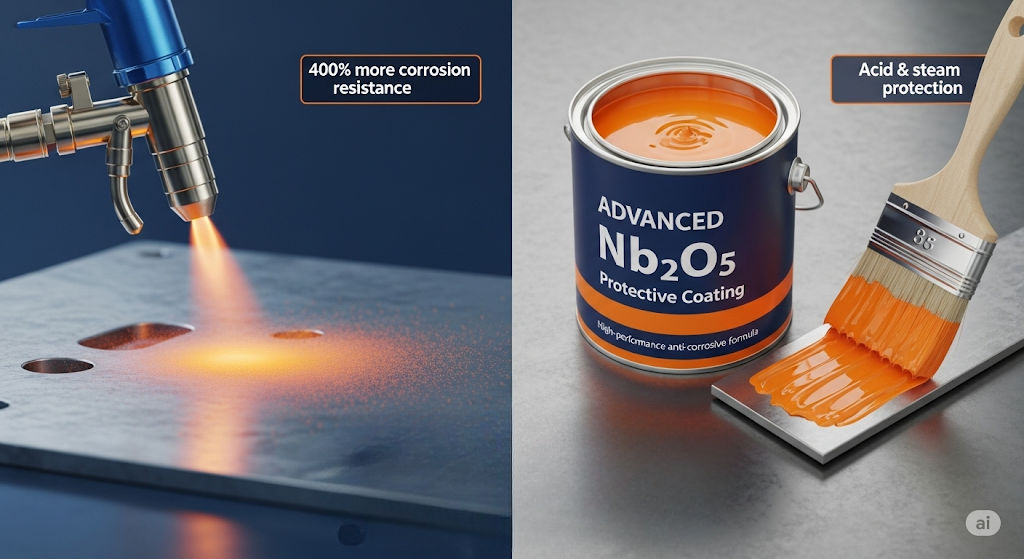
Conventional anti-corrosive coatings fail where niobium pentoxide succeeds. Nb₂O₅ delivers up to 400% improvement in corrosion resistance compared to standard industrial pigments, yet remains largely unknown outside specialized coating applications.
The exceptional protection stems from dual mechanisms: niobium pentoxide forms a protective, adherent oxide film whilst maintaining chemical inertia even in aggressive environments. This combination enables performance where traditional solutions break down—particularly in chemical processing, marine applications, and high-temperature industrial settings.
Industrial applications typically employ one of two proven methods:
| Application Method | Performance Characteristics | Best Environment |
| Thermal Spray Coating | Superior immersion protection | Liquid immersion environments |
| Epoxy-Nb₂O₅ Paint | Excellent general protection | Steam environments, up to 120°C |
Both methods demonstrate outstanding anti-corrosive behaviour in environments contaminated with acid and basic substances. Thermal spray applications benefit from epoxy varnish sealants that minimize porosity, enhancing performance at temperatures up to 120°C.
“Laboratory tests have shown Nb₂O₅ coatings—applied by thermal spray or epoxy paint—offer significantly enhanced corrosion resistance in 40% sulfuric acid immersion trials, with thermal-spray options showing markedly stronger performance than paint (Serenario et al., 2022)“
Recent innovations focus on nanoparticle formulations that extend niobium’s protective capabilities. These premixtures containing niobium oxide nanoparticles deliver multiple advantages: improved colour durability, enhanced brightness, and ultra-fast drying properties. The faster drying reduces energy requirements whilst allowing thinner coating layers without sacrificing protection.
A collaboration between NIONE and WEG Tintas produced a water-based protective coating incorporating niobium nanostructured technology. Applications requiring exposure to calcium oxide, organic solvents, or boric acid particularly benefit from niobium pentoxide pigments.
The economic implications are substantial. Coatings that last 400% longer reduce maintenance cycles, extend equipment life, and minimize downtime in industrial operations. For chemical processing plants, offshore platforms, and power generation facilities, these improvements translate to significant cost savings over operational lifecycles.
Key Takeaway: Niobium-based coatings solve corrosion problems that conventional systems cannot handle, delivering measurable performance improvements of up to 400% whilst reducing maintenance requirements and extending equipment lifecycles across demanding industrial applications.
Niobium Carbide: The Ultra-Hard Material Extending Tool Life by 388%
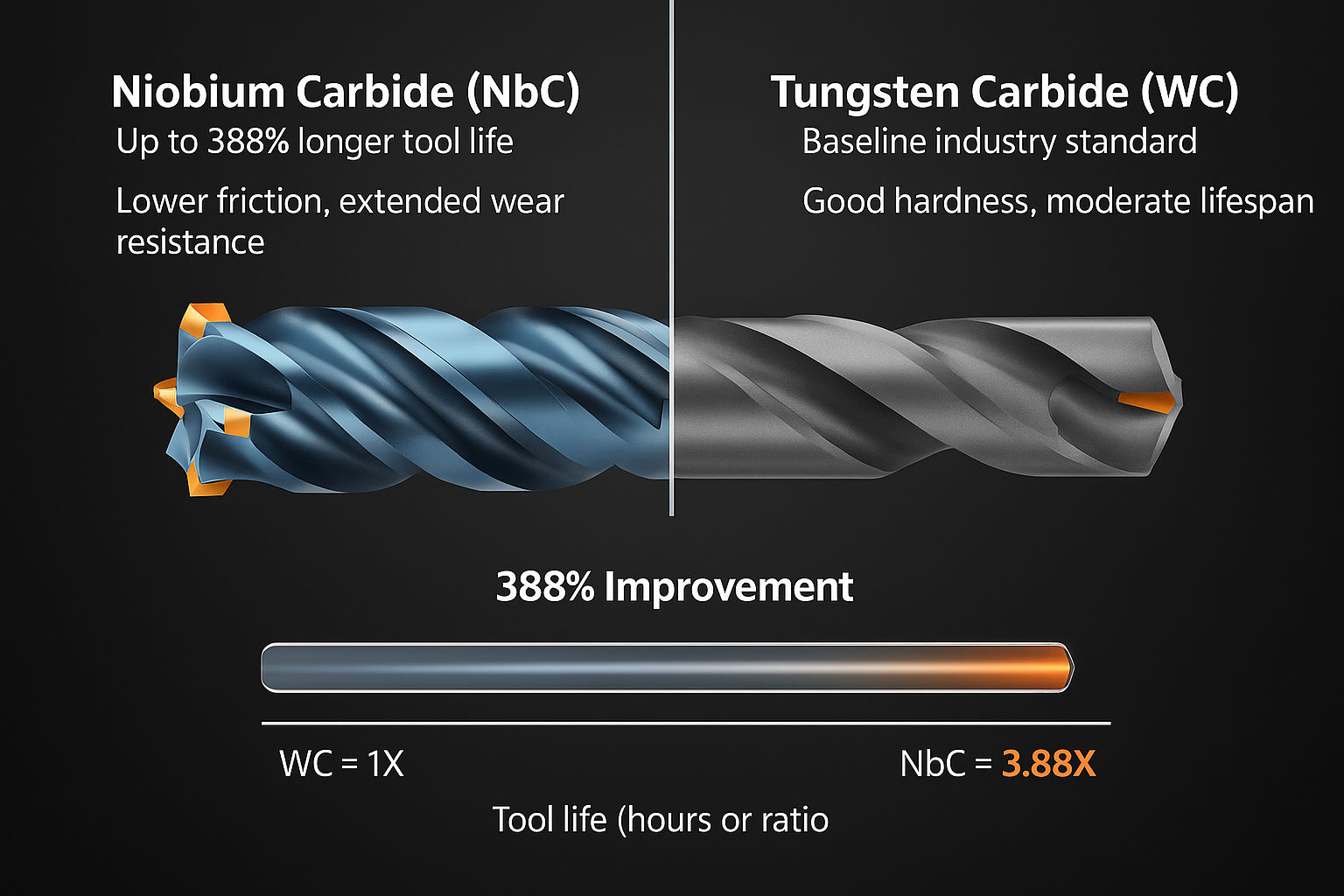
Niobium carbide (NbC) delivers performance statistics that manufacturing engineers find hard to ignore. With a hardness of approximately 19.6 GPa, melting point of 3522°C, and density of just 7.89 g/cm³, this compound offers an exceptional combination of properties.
The cutting tool industry has found a compelling alternative to traditional tungsten carbide materials. NbC-based drills, milling cutters, and turning tools serve automotive, aerospace, and manufacturing sectors where precision and durability matter most. Rising tungsten carbide costs and health concerns associated with its wear products have accelerated interest in niobium carbide alternatives.
Here’s how niobium carbide compares to conventional tungsten carbide in industrial cutting tool performance. The performance advantages are measurable:
| Property | Niobium Carbide (NbC) | Tungsten Carbide (WC) |
| Tool Life Increase | Up to 388% (chamfered tools) | Baseline |
| Cutting Forces | 7% lower at 250 m/min | Higher |
| Coefficient of Friction | Lower at high temperatures | Higher |
| Health Concerns | Minimal | Significant (Co3O4, WO3) |
“NbC-12Ni4Mo4VC tools have shown a 183% and 388% increase in tool life compared to WC-6Co tools, according to comparative studies in high-speed machining environments (González et al., 2016).”
The performance advantage stems from NbC’s lower coefficient of friction at elevated temperatures, which reduces abrasive wear on tool rake faces. This characteristic extends tool life dramatically whilst simultaneously reducing cutting forces.
Automotive brake disc manufacturing represents another domain where niobium carbide excels. When alloyed to cast iron, niobium refines the eutectic cell size, graphite structure, and pearlite matrix lamellae spacing. These ultra-hard NbC particles—with hardness reaching approximately 2400 HV—distribute uniformly throughout the fine-pearlitic structure.
Benchmark testing reveals that brake discs manufactured from niobium-alloyed grey hypereutectic iron achieve eight times the lifespan of conventional brake pad linings. Two primary alloying strategies exist: additions up to 0.20% for strength and graphite morphology control, or 0.25-0.5% for applications requiring exceptionally high wear resistance.
Key Takeaway: Niobium carbide’s exceptional hardness, thermal stability, and wear resistance deliver substantially longer service life in both cutting tools and automotive brake applications—reducing maintenance requirements and operational costs across manufacturing sectors.
Strategic Vulnerabilities and Supply Dependencies
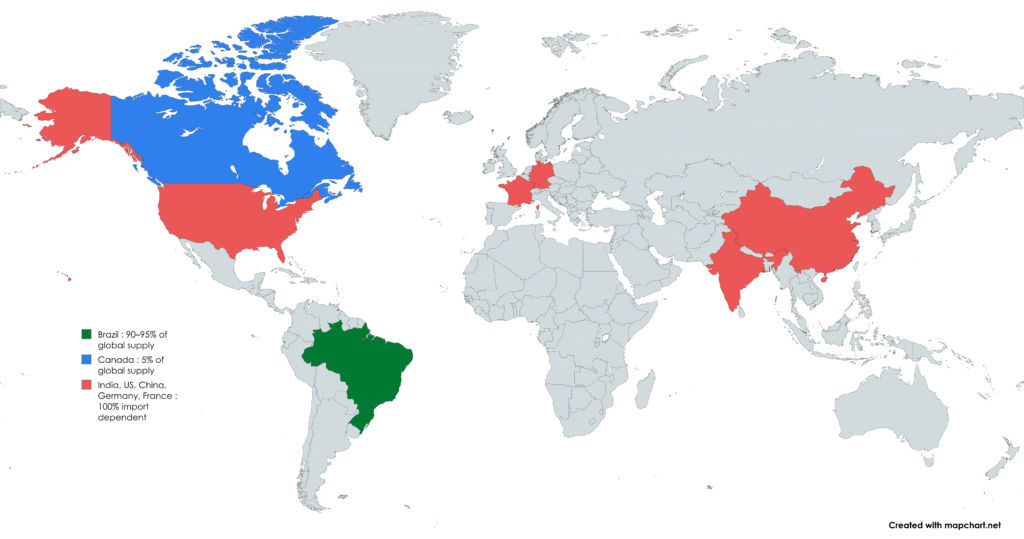
Brazil alone produces over 90% of the world’s niobium, with Canada accounting for a small fraction. Meanwhile, industrial powers like India, the US, China, and key EU countries remain entirely import-dependent—making niobium a critical resource with concentrated geopolitical control.
Brazil’s near-monopoly over niobium production creates one of the most concentrated supply chains in the critical minerals sector. With annual production currently estimated at 97,208 tonnes and projected to nearly double to 189,890 tonnes within five years, this concentration has made niobium a focal point in strategic mineral policies worldwide.
Brazil’s Stranglehold on Global Supply
Brazil controls 90-95% of worldwide niobium production, creating an unprecedented bottleneck that few other commodities can match. Just three mines account for virtually all global supply—primarily the Araxá mine operated by CBMM and the Boa Vista mine owned by China-based CMOC Group. Canada follows as a distant second producer with roughly 8-9% of global output through the Niobec mine.
| Country | Production Share | Key Mine | Ownership |
| Brazil | 90-95% | Araxá & Boa Vista | CBMM & CMOC Group |
| Canada | 8-9% | Niobec | Magris Performance Materials |
| Others | <1% | Various | Multiple |
“Of the 42 mineral commodities analysed, niobium was the only commodity for which both the United States and China are 100% net import reliant.”
Critical Mineral Designations Across Major Economies
This supply concentration has triggered strategic responses from major economies. The European Union currently sources 86% of its ferro-niobium from Brazil, highlighting significant vulnerability in a region increasingly focused on supply chain resilience. The United States ranks niobium second out of 50 critical mineral commodities, whilst both China and the US remain 100% dependent on imports.
These designations reflect recognition that niobium’s strategic importance extends beyond its technical applications. When a single country controls over 90% of global production of a material essential for advanced steel, superconducting magnets, and aerospace applications, supply security becomes a matter of national interest.
Demand Growth Across Strategic Sectors
Several key sectors will drive demand growth throughout the coming years. The construction industry, already the largest consumer of niobium, continues expanding through urbanisation and infrastructure development. Electric vehicle production, particularly in China, is creating new niobium requirements. Defence applications remain crucial, yet further elevate strategic concerns about supply security.
This demand growth occurs against a backdrop of limited alternative sources. Unlike lithium or rare earth elements, where multiple countries possess significant reserves, niobium deposits of commercial significance remain concentrated in Brazil and Canada.
Key Takeaway: Brazil’s dominance over niobium production creates unique strategic vulnerabilities for major economies—compelling nations to develop policies addressing supply risks whilst demand accelerates across infrastructure, transportation, and defence sectors that depend on this critical element.
India’s Strategic Vulnerability and Emerging Opportunities
India’s relationship with niobium presents a stark paradox: sophisticated applications coupled with complete supply dependence. This disconnect between technological capability and resource security highlights both the challenges and opportunities facing the country’s strategic materials landscape.
Complete Import Reliance Creates Strategic Risk
The numbers tell the story plainly. India imports approximately 900-1000 tonnes of ferroniobium annually, with 85% sourcing from Brazil and 12% from Canada. This concentration creates vulnerabilities that extend far beyond simple procurement – it affects everything from satellite launches to power plant construction.
| Import Source | Percentage | Primary Form |
| Brazil | ~85% | Ferroniobium |
| Canada | ~12% | Ferroniobium |
| Others | ~3% | Various compounds |
Domestic reserves remain largely unexplored or commercially unviable, leaving India exposed to supply disruptions from a single dominant producer. Unlike lithium or rare earths, where substitution might be possible, niobium’s unique properties make it irreplaceable in many critical applications.
High-Tech Applications Across Strategic Sectors
India’s premier technical organizations demonstrate sophisticated niobium usage across multiple domains:
Space Technology: ISRO incorporates C-103 niobium alloys in rocket engine components, enabling the extreme temperature resistance needed for satellite launches and deep space missions.
Power Generation: BHEL employs niobium-stabilized stainless steels for power generation equipment, where corrosion resistance and high-temperature stability are essential for operational reliability.
Defence Systems: DRDO research focuses on niobium-containing armour plates and advanced weapons systems, recognizing the element’s critical role in next-generation military technology.
These applications span India’s most strategic sectors – space exploration, energy security, and national defence – yet remain entirely dependent on external supply chains.
Critical Mineral Policy Framework
India’s 2023 critical minerals policy framework includes niobium among its 30 designated strategic elements. This recognition opens pathways for international collaboration on supply security and domestic capability development.
The policy framework potentially addresses:
- Bilateral agreements for supply chain security
- Investment in processing and value-addition infrastructure
- Research partnerships for alternative materials and applications
- Strategic stockpiling for supply disruption scenarios
India’s R&D Timeline: Key Niobium Milestones
- 1970s–80s: DRDO and DMRL begin studies on Nb-containing alloys for armor and structural performance.
- 1990s: BHEL introduces Nb-stabilized stainless steels in power boilers and steam systems.
- 2000s: ISRO adopts C-103 niobium alloy for satellite thruster chambers and engine nozzle extensions.
- 2010–present: Ti–Nb–Zr alloy systems explored for biomedical implants at IITs and CSIR labs.
- 2023: Niobium included in India’s national critical minerals list, with calls for strategic partnerships.
Value-Addition Opportunities Despite Import Dependence
Rather than attempting primary production, India’s most viable opportunities lie in downstream value creation:
- Ferroniobium Processing: Establishing domestic alloying facilities could reduce dependence on processed imports while creating capabilities for specialized steel production.
- Superalloy Development: Indigenous expertise in niobium-based superalloys could support aerospace applications whilst reducing strategic vulnerabilities.
- Compound Manufacturing: Research centres focused on niobium compounds for electronics and medical applications could create high-value industries around this critical element.
- Urban Mining: Recovery from electronic waste and industrial scrap could provide supplementary supply whilst developing circular economy capabilities.
The key advantage lies in moving up the value chain – from importing finished products to processing raw materials into specialized applications that serve India’s growing technological sectors.
Key Takeaway: India’s complete niobium import dependence creates strategic vulnerabilities across space, defence, and energy sectors, yet presents opportunities for downstream value creation through processing, alloying, and specialized applications that could reduce supply risks whilst building industrial capabilities.
Future Outlook: Securing Niobium’s Strategic Role
Niobium’s future lies not just in the ground — but in its role across the entire advanced materials value chain. As global demand accelerates across aerospace, energy, superconductivity, and digital infrastructure, nations that invest in ferroalloy processing, alloy innovation, and niobium-based electronics will shape the next wave of industrial leadership.
Breakthroughs in quantum computing, thermal barrier coatings, and niobium nanomaterials are pushing performance frontiers. Ultra-pure niobium is already used in superconducting qubits, MRI-grade magnet systems, and high-frequency telecom filters.
At the same time, urban mining, compound recovery from e-waste, and strategic bilateral sourcing will redefine how countries secure niobium without over-relying on primary extraction.
For India, the path forward lies in leveraging its strengths in space, defence metallurgy, and R&D innovation—moving from resource dependence to global strategic leadership in the niobium age.
Conclusion: A Silent Driver of Strategic Autonomy
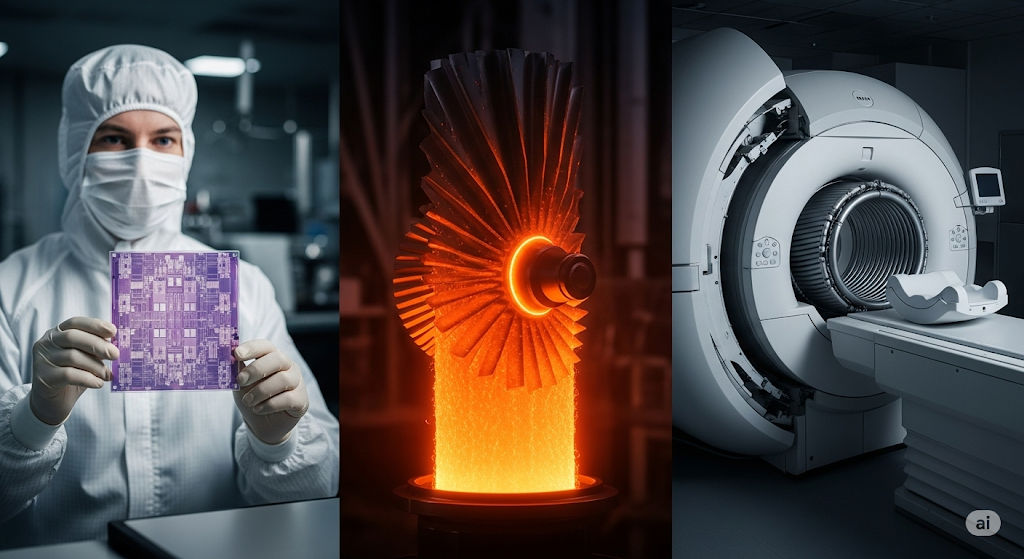
From microalloying steel to powering superconducting magnets, niobium delivers transformative performance in trace amounts. Its unique combination of properties makes it indispensable in technologies where failure is not an option.
As critical minerals define the geopolitics of the 21st century, niobium’s story reminds us that the smallest elements often make the biggest difference.
FAQs
What are the emerging applications for niobium in 2025 and beyond?
Niobium is finding new uses in energy storage systems, data centre technologies, and even agricultural fungicides. Its unique properties are also enabling advancements in quantum computing and next-generation electronics.
How does niobium contribute to sustainability in engineering?
Niobium’s efficiency in strengthening steel allows for lighter, more durable structures. This reduces material usage and improves fuel efficiency in transportation applications, contributing to lower carbon emissions across multiple industries.
Why is niobium considered a critical mineral by many countries?
The concentrated supply, with Brazil controlling 90-95% of global production, creates strategic vulnerabilities for major economies that rely on niobium for advanced technologies and infrastructure. This has led to its designation as a critical mineral in the US, EU, and other nations.
What makes niobium valuable for medical applications?
Niobium’s exceptional biocompatibility and corrosion resistance make it ideal for long-term implants and surgical instruments. It outperforms traditional materials like titanium and stainless steel in many medical applications, reducing rejection risks and improving patient outcomes.
How does niobium enable advancements in particle physics research?
Niobium’s superconducting properties are crucial for creating powerful magnets used in particle accelerators like the Large Hadron Collider. It also forms the basis for superconducting radio-frequency cavities that accelerate particles to near light speed, enabling breakthrough discoveries in fundamental physics.